
Introduction
Shoplifting is the theft of goods from an open retail establishment or stores, typically by hiding a store item on one’s person, in pockets, under clothes, or in a bag, and leaving the store without paying. With clothing, shoplifters may put on items from the store and leave the store wearing the clothes. The terms shoplifting and shoplifter are not usually defined in law. The crime of shoplifting generally falls under the legal classification of theft.
Economic impact
According to a report from Tyco Retail Solutions, the global retail industry loses an estimated $34 billion in sales in 2017 to shoplifting, which is approximately 2 percent of total revenue. Shoplifting is the largest single reason for the loss of merchandise. If shoplift prevention tips are not well taken, your small business will suffer big losses every day by shoplifters, who could be amateur acting on impulse or career criminal who habitually engages in shoplifting.
This guide will share you with the most effective and low-cost tips on how to stop shoplifting.
Groups of people who shoplift
The reasons why a shoplifter steals can vary, but there are certain characteristics shoplifters often share. Terrence Shulman’s book Something for Nothing: Shoplifting Addiction and Recovery highlights seven types of people most likely to shoplift, so you can identify and prevent theft in your store.
1. Addictive compulsive
People with psychological difficulties such as obsessive-compulsive disorder (OCD) or low serotonin may have an uncontrollable impulse to steal. Oftentimes, addictive compulsive thieves feel guilt and regret after the shoplifting episode, but the actual act of stealing is an urge they are unable to resist.
2. Professional
Professional shoplifters often work in groups and are referred to as “career criminals.” Multiple factors drive their shoplifting activities, though many steal items they can resell to turn a profit on. Thieves may target the business because its products “are high-ticket items, and they can sell them easily online and to pawn shops. And because we are family owned, they think we are easy targets.”
3. Addict
Much like gambling, for some people, shoplifting is an addiction they struggle to overcome. Teenage shoplifters, for example, may struggle to break the habit when they enter their 20s. They have been conditioned for years to not pay for the items they use, making it harder for them to part with cash and curb their shoplifting addiction.
4. Impoverished
Not all shoplifters have malicious intentions. Cash-strapped people might turn to shoplifting to steal items they need to survive, such as food, hygiene, or baby products. This shoplifter profile is often referred to as economically disadvantaged since they feel they have no other option than to steal.
5. Thrill-seeker
Shoplifting gives some people an adrenaline rush they constantly want to chase. A thrill-seeking thief is oftentimes a young person trying to push boundaries and impress their friends with stolen goods and bravado.
6. Unintentional
Not all shoplifters predetermine their thefts. Visitors to your store can steal inventory without realizing it, like people who leave the store for an emergency while unintentionally carrying your product.
These people rarely conceal the item they are stealing since the product is not top of mind, and the incident is not intentional. Once they realize it, the incidental shoplifter might return to the store with an apology.
7. Kleptomaniac
Kleptomania is a psychological disorder that gives people an uncontrollable urge to steal. It is similar to obsessive-compulsive disorder in the way people cannot resist the temptation. There is rarely a driving force behind the reason to steal.
Recognizing a shoplifter
There are not physical traits that make a person more likely to steal. Shoplifters are just as likely to be male or female, have any skin colour, and be rich or poor.
“No single factor makes a person more likely to shoplift,” says Natalie Maximets, a certified life transformation coach at OnlineDivorce. “Shoplifting is a complex behaviour and is influenced by multiple factors, including psychological and environmental factors.”
There is not something about the way a person looks that will help you identify whether they’re likely to shoplift, but there are traits that you and your staff can look for. Behavioural cues are more important than physical or demographic characteristics. Here are some traits that may help you identify shoplifters.
1. Works in groups
Many shoplifters work in pairs or groups. A member of the group might distract sales staff, asking questions about an item or sending the sales associate to another section of the store. Shoplifting is most likely to happen when sales staff are occupied or distracted.
2. Carries bags or coats
It is true that bold thieves will just grab an item and run from the store, but most shoplifters, especially amateurs, are likely to conceal stolen items in things they bring into the store.
This includes, but is not limited to:
• Handbags.
• Shopping bags from other stores;
• Large coats; and
• Umbrellas.
Some thieves will purchase something as a way to conceal other items in it, or in the same bag as they walk out of the store.
3. Takes many items into changing rooms
In clothing stores especially, shoplifters will often take many items into dressing rooms without any intention of trying them on. They do this to stuff one or two items into bags, as well as to distract salespeople in the fitting room area.
Shoplifters will often leave items they do not want inside the dressing room so sales associates can’t tell which ones they have taken and left behind.
4. Switches price labels
Price label switching is when a shopper changes the price tag on one item for a cheaper price tag. They might still go up to the cashier to pay for it, but the item will ring in at a lower price.
5. Attempts fake refunds
Shoplifting does not always consist of stealing store items. Thieves steal a retailer’s cash—a type of return fraud that causes the biggest losses for many stores.
Trying to refund an item that was not previously purchased at the store for cash is a common form of shoplifting. Scammers enter the store with a counterfeit receipt or product they purchased from another store, hoping for a cash bonus of the entire product value.
Preventing shoplifting
Shoplifting may be prevented and detected
Now that we have outlined some common shoplifting traits, what can you do about it? Shoplifting prevention is key. Here are some of the shoplifting prevention tips that stores/retailers can take to curb theft in their stores. There is no way to keep your shop 100% theft-free. However, there are plenty of measures you can take now to reduce your risk of shoplifting as much as possible. These tips can help you learn how to catch shoplifters and how to prevent shoplifting in the business.
1. Know Your Times
Did you know that certain times of day are more common than others for shoplifting? Wednesday through Saturday are the most popular days for shoplifters, especially in the afternoon and on weekends. Summers and holidays are often high-alert times for theft as well.
2. Keep a well-lit store.
Dark areas can provide an easy hideout for shoplifters to stow away items in their clothing or bags.
3. Avoid Profiling
There are many stereotypes related to types of shoplifters, targeting both race and gender. As such, it is essential to treat all shoppers with the same levels of trust, respect, and suspicion.
4. Restrict access to dressing rooms.
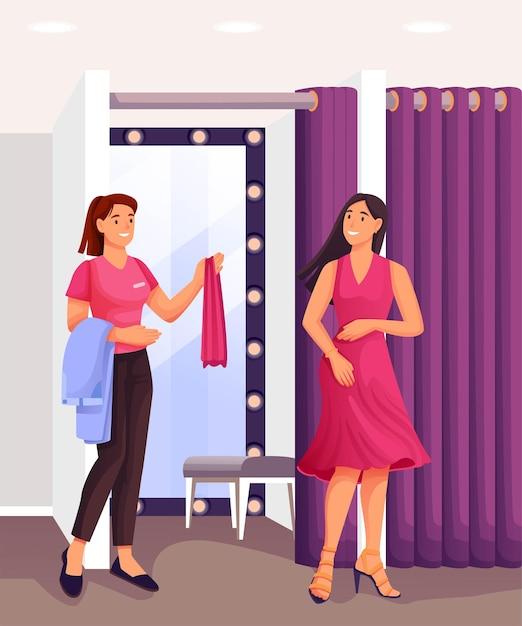
If your store sells clothing, customers may wish to try things on. Monitor Dressing Rooms Have an employee grant customers access to the dressing rooms upon request. Employees should keep track of how many items a customer goes into the dressing room with, and ensure they come out with the same number of items. Instead of allowing them to wander in and out at will while trying on clothes, position an employee near the fitting rooms and use a number system to track how many items enter and exit. This way, you will always know if something is missing.
5. Optimize your store’s layout
Each store has its own ideas about how to display products and design its floor layout, but there are several ways to optimize store layouts to help prevent store theft.
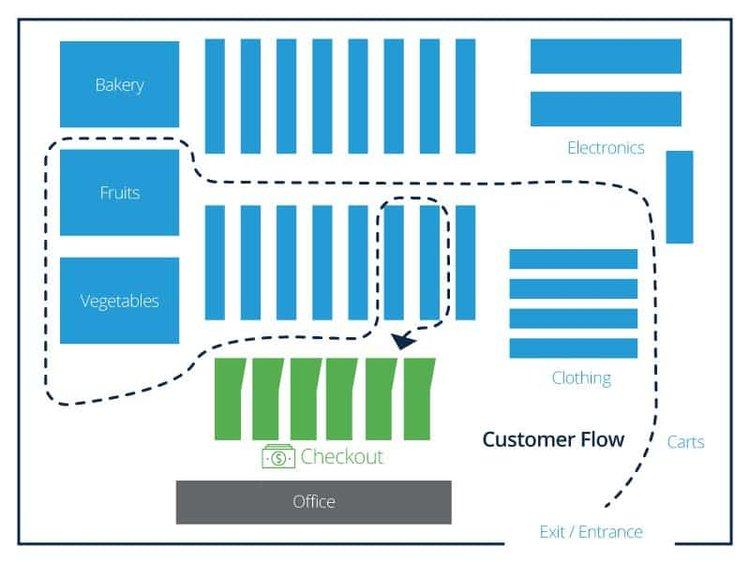
The most common layouts often place customer checkouts near the entrance/exit, so that all customers will pass it as they leave. This gives staff a good chance of spotting shoplifters before they leave the store and serves as a deterrent if thieves know they have one last hurdle to pass before exiting. For example, below, Smartsheet visualizes the common ‘grid’ store layout, which places the checkout at the exit/entrance of stores.
The grid layout is one of the more popular store layouts as it helps customers move easily around the store, but also ensures any shoplifters have to pass the checkout area before leaving.
6. Install security cameras
A combination of advances in video technology and better lenses have made security cameras and surveillance systems worth the investment. And let us not forget the bonus of saving on your insurance premiums by installing a surveillance system. Security camera systems have a threefold purpose:
- They act as a deterrent to shoplifters.
- They allow staff to monitor the whole store and people who might be acting suspiciously; and
- If shoplifters do steal, there will be evidence identifying them to help with prosecution.
Installing surveillance cameras can also reduce your insurance premiums in some cases.
7. Be aware of common shoplifting tactics
Shoplifters are constantly coming up with new ways to steal without getting caught. Knowing the most common ploys and behaviours shoplifters employ will help you be on guard in your own store. The following are some of the ploys used by shoplifters:
- • Working in pairs: One of the oldest tricks in the book, one person distracts sales floor staff while the other pockets goods.
- • Hiding products: Shoplifters often hide items in their own clothing, in other items they have purchased, handbags, strollers, reusable shopping bags, and shoes.
- • Price switching: Shoplifting does not always mean missing items that are not paid for. Thieves will also often swap pricing tags or labels from one product to another, so they are charged less for a more expensive item.
- • Grab and run: Some shoplifters wait for an opportune moment — perhaps during a busy period, or when all sales staff appear to be busy — to dash into your store and run off quickly with items. This is more common in stores that do not have security guards or do not have anti-theft alarms placed at the entrance.
- 8. Keep It Clean
A messy, unorganized store makes it easier for shoplifters to steal from, especially when you are not sure what goes where, what is selling, and what is not. To increase your oversight and minimize the likelihood of stolen items, keep store merchandise clean and organized.
9. Build Relationships with Customers
Your customers are a big part of your business. The better you know them, the less likely they are to steal from you. The ones you know by name are aware that you can pick them out of a line-up, and your more honest shoppers will not be afraid to report suspicious behaviour to you.
10. Build Relationships with Employees
Relationship building goes for employees as well. Forge relationships with your employees and let them know they are valued and appreciated. Internal theft is as much of a problem as shoplifting. In fact, probably more, with 75 percent of employees admitting to stealing from their employer at least once.
If employees feel engaged with your business and the work they are doing is valued, the happier they will be — and less likely to exhibit malicious behaviours like theft. In fact, the number one-way internal theft was detected was a tip from another employee.
11. Watch for Loiterers
Loiterers are often bad news for businesses and usually a tell-tale sign there might be trouble on the horizon. With so many hands and so much activity, it’s relatively easy for a group to snag items and wander out. Pay close attention to people who appear to be hanging around with no intention of buying anything.
12. Run a Tight Ship
A well-oiled machine is much harder to steal from. When your employees are always at attention, your business is far less likely to be a target. Share shoplifting prevention tips like this with your staff to ensure they know how to prevent a potential crime. By showing your customers you are watching, they will know there is no room for error in your store.
13. Watch for Shifty Behaviour
Some shoplifters, especially those new to the process, may show warning signs before problems arise. They may wear large sweatshirts, spend long periods of time in the same aisle, carry large purses or bags, and continually check to see if they are watching. Know the signs and trends and keep a close eye on customers exhibiting this type of behaviour.
14. Take a Thief’s Perspective
If you were a thief, what would you target? Heavy items in the back of the store or small, or easily pocketed items by the front? When arranging your store, think like a thief looking for a five-finger discount – and do the opposite. One study found that putting easily stolen items, like batteries, in a visible but hard-to-reach location cut down on theft significantly.
15. Expand Your Team
Hiring more employees may seem like a costly solution but putting an extra set of hands on the floor can make a huge difference. Inevitably, there will be times when you are with a customer, in the back, or otherwise unable to watch the floor. In these moments, you will appreciate the assistance another team member can provide.
16. Use customer service as a prevention
One of the easiest and cheapest ways to prevent shoplifting is by leveraging your customer service practices. Here are some ideas to help use retail management and service techniques in the battle against shoplifting:
- Greet all customers: These days, it is common practice to position a member of staff at the entrance of the store to welcome all customers. Not only does this set the scene for a good customer experience, but it also lets shoplifters know that they have been acknowledged.
- Maintain adequate staffing levels: As we mentioned previously, one common shoplifting tactic is to work in pairs and distract sales floor staff. If you have enough people on the sales floor, thieves will be less likely to steal.
- Ask each customer if they need assistance: Again, not only is this good customer service, but by asking if a customer needs help and letting them know where you will be if they do, you are also showing potential shoplifters that your staff are attentive and not passive.
17. Add mirrors to your store
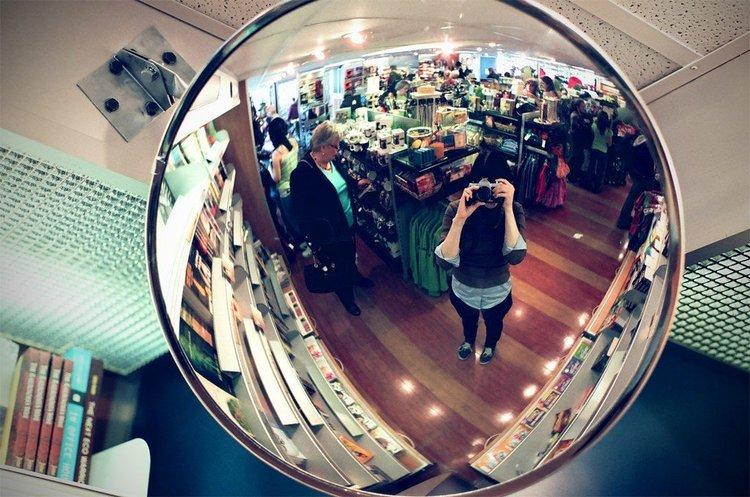
Mirrors are great tools to reduce blind spots and increase the visibility of both products and people in both large and small stores. You can purchase anti-theft mirrors of all sizes, shapes, and angles of visibility to use in your store. They are also a low-cost method of shoplifter prevention for retailers/stores.
18. Add Prevention Tactics (Electronic article surveillance)
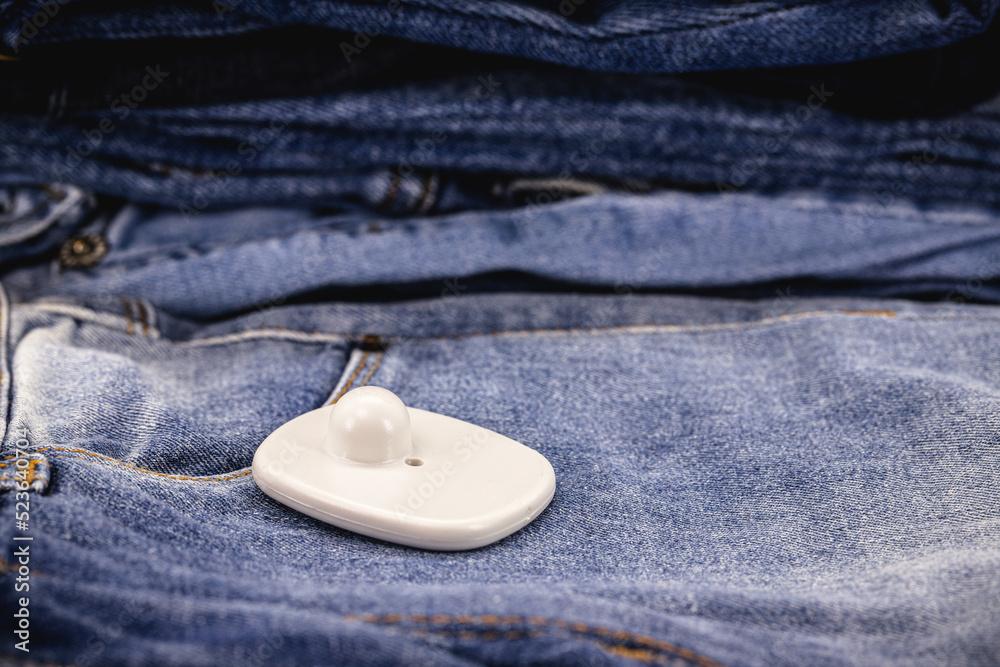
Electronic article surveillance, which refers to the tags that hang on clothing and other high-value items to deter theft, may seem like an expense only big-box retailers can afford. Offering an easy way to ensure expensive items are always protected, the benefits of such tags outweigh the cost of using them.
19. Put signage to deter thieves
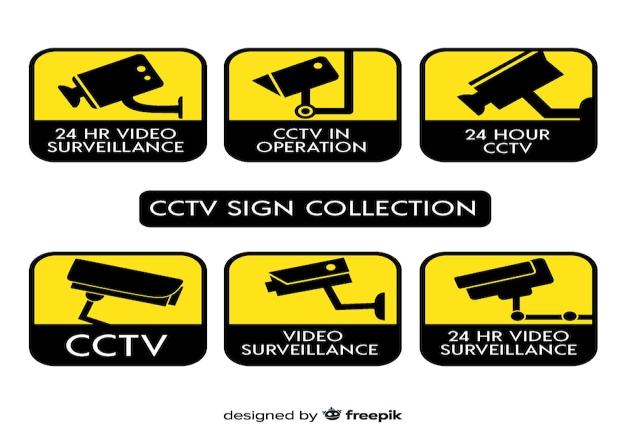
Theft prevention signs should be common in all stores across the country; they often advertise security methods. Signages in retail stores inform the would-be thieves of the following:
- • That the store has taken anti-theft measures.
- • Installed cameras.
- • That the store is part of a local anti-theft group; and
- • Shoplifters will be prosecuted.
Again, signs are a low-cost way to let thieves know you are alert, and they will face consequences for shoplifting. To maximize effectiveness, hang signs near higher-value items, like jewellery and electronics/appliances.
20. Involve the Police
Partnering with local law enforcement is very important. Calling the police for every little-attempted theft may sound like overkill, but the more you do now, the better a precedent you set for the future. Arresting shoplifters sends the message to thieves that you take this crime seriously. Such a move helps businesses to stay safe from the antics of petty criminals.
21. Use a Point-of-Sale System (POS)
Do you know how many items you have on your shelves? Do you know the exact value of those products? Does the inventory sold, match the revenue coming in? If not, a Point-of-Sale System (POS system) can help your business better account for inventory shrinkage and spot potential issues before they get out of hand.
Strong inventory management techniques are a great way to help reduce loss. This also ties back to our point about running a tight ship and being organized on the floor. A POS system not only organizes inventory by tracking items by category and department, but also tracks your cost, margin, quantity on hand, and even a reorder trigger and quantity.
Also, a point-of-sale system can help reduce your internal risk of theft. No business owner wants to believe their employee is stealing from them, but unfortunately, it is a reality for some.
22. Identify at-risk items
Your average shoplifter will not target items such as expensive jewellery or large electronics, instead targeting small products that are easy to hide.
Use inventory management tools to identify your most expensive inventory and work out a plan to protect these items. This can involve:
- Placing items in lockable cabinets.
- Placing items close to the counter; and
- Placing such items in a highly trafficked area of the store that is always manned by a staff member.
23. Manage Refunds and Returns
Shoplifting is not the only way criminals can target your store – fraudulent returns are another easy way for thieves to squeeze money out of your business. If you are lenient with returns, allowing every little request to pass through your drawer, it will be easy for a professional shoplifter to take advantage of you. Instead, develop a strict policy and stick with it.
24. Get Strict with Receipts
In the world of shoplifting, receipts are the best way to prove a legitimate sale versus a robbery. Instead of letting customers walk out the door with a cheery wave, consider appointing someone to check bags and receipts by the entrance. Even if checks are brief and hurried, the idea of someone checking bags will make a difference.
25. Use shorter displays
Long aisles are the norm in many stores, but they can make it hard to keep an eye on what is going on with shoppers. Shorter displays make it easier to watch, allowing you to see how customers move around the store and survey merchandise while identifying potential shoplifters.
26. Put your checkout by the Exit
A checkout in the back of the store may be convenient, especially when it comes to checking and organizing the stockroom, but this strategy can be bad for business. When you want to watch your store as efficiently as possible, a checkout in the front by the door makes it easy for you to greet customers and make eye contact when they come in and acknowledge them when they leave.
27. Install an Entrance Alert Sensor
The buzzers and bells that ring when individuals enter or exit your store may be annoying, but they are very handy, especially for smaller, low-volume businesses. These systems work in two ways:
- • Notifying you when someone comes into your store; and
- • Let shoppers know that you are watching.
When you have a buzzer in place, there is no way for a shoplifter to sneak past you when you have your back turned.
28. Use Lockers
Banning the use of large bags, purses, and backpacks while shopping may seem paranoid, but doing away with these items makes it much harder to steal high-value items. By employing a locker system, you can be sure shoppers are not sneaking merchandise into their bags and running away with your hard-earned merchandise.
29. Train your employees
Learning how to stop shoplifting should be a compulsory course for every retailer/store. It is important for staff to receive regular training on the following:
- To spot scams such as price switching and false returns.
- Standard anti-theft protocols;
- How to deal with shoplifters once they are in the store;
- How to alert other members of staff and management of potential shoplifters via a “code” or announcement;
- How to approach suspected shoplifters;
- When and how to alert police and security guards; and
- Implement a shoplifting policy that details how staff are expected (and not expected) to act when it comes to dealing with shoplifters.
- Utilize the right security tools.
Equip your store with these security tools, which range from electronics to security personnel.
- Closed Circuit Televisions: A shop owner or manager cannot be throughout the entire store all at once, but that’s where closed-circuit televisions come in. These can act as the eyes around the entirety of a store, during and after hours. The cameras are set to record the comings and goings of a store and can help identify a thief in the event of a shoplifting incident.
- Electronic Article Surveillance: This type of theft prevention comes in the form of tags. The tags contain a technological censor that will cause an alarm to go off if removed from the store premise. When an item is checked out, the tags are deactivated and will not trigger an alarm when a patron leaves the store. Electronic article surveillance often acts as a deterrent to shoplifters. If they see the tags, they are less likely to attempt stealing. If they do not see the tags and attempt to remove the item from a store, the sound of the alarm could be enough for the shoplifter to leave the item behind in a panic.
- Security Personnel: Perhaps one of the best methods of preventing shoplifting is to employ security staff. Security personnel are trained to monitor customers and are equipped to handle a shoplifting situation, should it arise. The size of your store will determine how many officers you will need on hand.
31. Have a Plan
When someone steals from your business you should have a plan on how you are going to handle or respond to it. Your plan should include:
- • How will you call the police?
- • How will you handle it in-house? Will you let it go?
No matter what avenue you plan to take, a step-by-step procedure is indispensable. With a game plan on the books, you can be ready to react when a shoplifter does target the inventory you have invested so much to acquire.
Applying the right tactics can provide the ammo you need to fight back. With these tips, you can learn how to spot shoplifters, take preventative action, and learn how to reduce shoplifting while keeping your business safe.
Protect your store, your stock, and your livelihood. Lessen theft and theft attempts with these theft prevention methods