
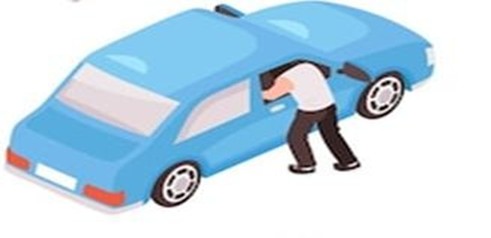
Theft out of a motor vehicle occurs when a person gains access to the interior of a motor vehicle, by force or otherwise, when the owner is not present, and takes valuable items.
- Occurrence of theft out of motor vehicles
Theft of property from vehicles can only occur if:
- There is a motivated thief present at the scene;
- There is property, as described above, either in or on the vehicle; and
- There is an opportunity to commit theft.
We can therefore reduce our chances of becoming victims by minimizing the availability of property worth stealing, making it less attractive to thieves, or more difficult to take, and thereby reducing the opportunity to commit the theft.
- Categories of property commonly stolen from vehicles
There are three (3) categories of property commonly stolen from vehicles:
- Category 1 property
This is the property that is stolen from within the vehicle that should not have been left there, and includes:
- Mobile phones;
- Laptops;
- Handbags;
- Wallets (with their contents, of course); and
- Shopping items.
- Category 2 property
This is the property that is stolen from within the vehicle that needs to be there, and includes:
- Sound Systems (the installed parts, not the removable facial if it has one); Tax Discs; and
- Category 3 property
This is the property that is stolen from the vehicle and includes:
- Wheels;
- Spare Wheels (especially those carried in insecure cradles beneath the car); c) Top Boxes; and
- d) Registration (Number) Plates.
Here are some tips on preventing theft out of motor vehicles:
- If you must keep the coin in your car for the parking meters, keep it in a closed ashtray (if you have one) or in some other out-of-sight compartment (most cars have a little drawer somewhere).
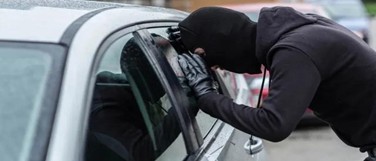
If it is on view, a desperate thief will smash a side window (worth R5000.00) to steal R50.00 in change.
- Lock valuables in the the boot of the vehicle.
Things like handbags, leather jackets, wallets, laptops, and shopping should never be left on view in the vehicle.
- A portable Satellite –Navigation (sat-nav) should be carried on the person or left in a locked boot, together with its cradle or mat, when leaving the car.
Any suction cup marks on the windscreen should be wiped away as their presence will indicate to the thief that you may have a device, such as a satnav, hidden in the glove compartment. You may not have, but this will not stop the thief from smashing a side window to look.
- Vehicle Registration documents and test certificates should be kept at home.
- Keep the inside of the vehicle tidy.
An untidy vehicle containing opened mail, plastic bags, and other items may attract the curiosity of thieves.
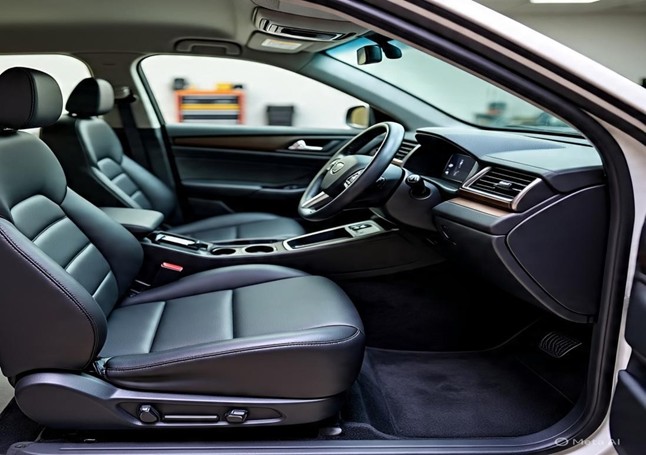
- If there is nothing in the glove compartment, leave it open to view.
- If the face of your sound system can be removed, please remove it and use the PIN security facility.
- Or at least place the handbag in front of the passenger seat so that it is less in
- If possible, place it under a seat in the glove compartment or beneath the legs of a passenger. Never leave it on the passenger seat.
3.3 Category 2 property
The following are some of the recommended solutions available to reduce these Category 2 thefts out of motor vehicles:
- Sound systems and other in-car entertainment systems should be marked using a proprietary marking and registration system.
- Keep records of the make, model, serial numbers, and other distinguishing
- Blue Badges should be kept in secure display holders. These holders can be placed above the dashboard to display the badge and clock and are attached to the steering wheel via a lockable steel cable. It is interesting to note that the discontinuation of Tax Discs has led to a noticeable reduction in theft from
3.4 Category 3 property
Solutions are available to reduce these thefts or at least reduce the pay-off for the thieves.
- Wheels can be protected by using locking wheel nuts. Most modern cars are supplied with them, but if not, a decent set can be purchased.
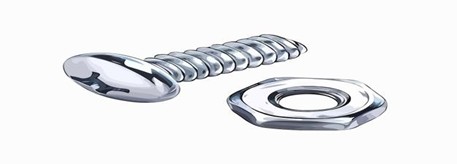
- Spare wheels (proper ones, not those temporary 50mph ones) that are carried outside of the car in a cradle can and do get stolen. Locks are available to secure cradle-carried wheels, but they must be fitted by a competent person. Ask your local garage or car dealer about having one
- Registration (Number) plates.
If you are about to purchase a new vehicle, ask the dealer to fit Sold Secureapproved theft-resistant number plates. If you do not want to run to the expense of new plates you could fix the ones, you have with security screws or even use a little superglue on the underside of the screw head.
If they are stolen from your vehicle, report the theft to the police immediately, because they will have been stolen to clone your vehicle. Stolen number plates are used to sell stolen cars, disguise cars used in criminal activity, such as a robbery or theft of fuel from service stations, and evade fines for speeding and other offenses, and congestion charges. Failure to report the matter to the police may lead to you receiving countless traffic offense penalties and charges, and it will be down to you to prove yourself innocent of the charges brought against you.

Most top boxes have rack fittings inside the box and are therefore protected by the box’s key locking mechanism. The point here is to always keep the top box locked.
- Choose a parking space
The ideal parking space involves as much traffic around it as possible, be it foot traffic or other vehicles passing by, the more people around, the less likely your vehicle is to be broken into. The ideal parking space is also in a decent area. The more effort, and the more risk, the less chance that anything will happen to your vehicle.
- Lock doors, sunroof, and windows
Always make sure that all doors, sunroofs, and windows are properly locked when you park your vehicle.
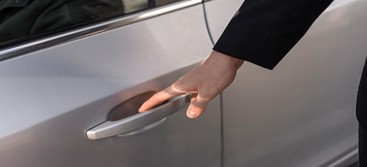
- Physically ensure that doors are properly locked.
- Set the immobilizer and alarm before leaving the vehicle, even for a minute, such as when paying for petrol at a service station. This may seem like a no-brainer, but thieves are less likely to break into a vehicle that has an alarm, as they want as little attention.
- Remove all valuables.
Do not place valuables in the boot whilst people are watching and there is a tendency of suspects to break rear windows and steal such properties from the boot.
- Leave the vehicle as open-looking as possible.
- This means that you should always leave your centre console, glove compartment, and any other “cubby holes” open so that when a thief looks into your vehicle, they will see that there is nothing worth taking.
- Have your vehicle fitted with an alarm
- If your vehicle does not have an alarm, then have one fitted. Always insist on an approved alarm system.
- Lock the car doors and the boot before you drive away.
- Take extra care if you are driving a convertible vehicle with the roof down.
- Consider raising the windows when stationary or in slow traffic, and keep the doors and boot locked.
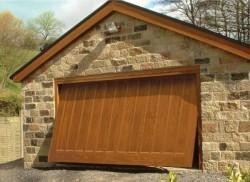
- When parking at home, use the garage.
It is advisable to park your vehicle in a garage if you park at home, if you have one or park on a well-lit driveway, rather than in the street. If you live in a block of flats, you will have to make use of the parking facilities provided, and if these are not secure enough, you and your neighbours/fellow tenants will need to approach the landlord or managing agent to ask for improvements.
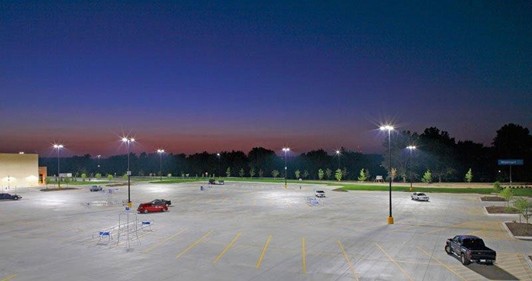
- When parking away from home try to park in a place that is well-lit and and overlooked.
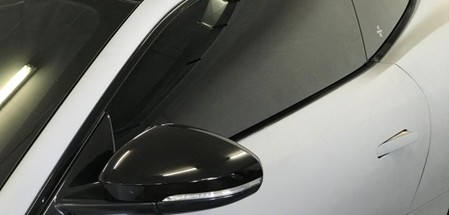
- If you are buying a new vehicle, ascertain if its specification includes or provides an option of having laminated glass used in place of toughened glass in the side and rear windows.
Toughened glass is easily and silently broken with a sharp object, such as a centre punch, and allows the thief to steal something from within the car very easily.
- Never leave personal identification documents, vehicle ownership titles, or credit cards in your vehicle.
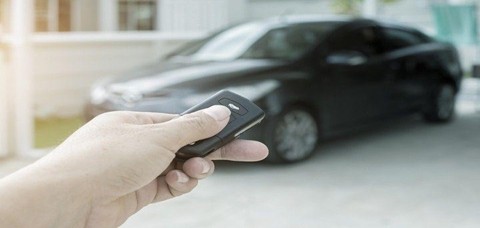
- When locking your vehicle, feel the door handle to ensure your door is locked When activating your car’s alarm system with your remote face your vehicle. Ensure you hear the doors lock, hear the door lock, and see the indicator light flash. Wait for 30 seconds before you walk off to ensure your locking device has not been deactivated.
- Install window safety films. Not only will it serve as protection against potential smash-and-grab attacks but if you use a tinted film, it makes it more difficult for would-be criminals to see into the vehicle – especially at night.
- Parking lots with a parking attendant or someone patrolling is the best.
Here are our tips and tricks on how to maximize the use of the parking attendants:
- They often look homeless and unnerving, but know they are here to work and make money to provide for their families. While you may think they would be the ones to break into your car, they all rely on each other and the integrity and trust of the system to maintain their ability to work.
- Leave nothing visible or tempting in your car. Use the trunk/boot, but put stuff in there before you go, so no one can see what you have and where you put it.
- They do not expect much – never tipped in bills, only change. So, every time it was 5 rand or less ($0.35 US dollars). And no one ever seemed dissatisfied with that.
- But DO tip them. Do not try to be cheap. The one you do not pay may be the one that breaks into your car or allows someone else to. If peace of mind can cost as little as 5 to 10 Rands, I am buying all day.
- Tip them up front when you park (as opposed to when you are leaving) for obvious reasons above. You do not want them to think you are not going to pay them. Tip them again when you are leaving, if you want, or if they become confrontational. We were often able to walk to our car, hop in, and leave without tipping again – they are often busy helping people find spaces.
- They are people, and all people are different. Some are more aggressive, some are more appreciative, some are more transactional. Just read them and interact accordingly.
- They have territories and they have shifts. They know which spaces to assist with and collect on and which are their colleagues. While one person may point you toward a vicinity in which to park, the person who approaches your car as you are parking is your attendant. Subsequently, since they have shifts, the person there when you leave may be different, and your “car’s safety” has now been passed onto them.
- Be considerate of how long your car is going to be parked. Tip more when parking for hikes or beach days since you will be tying up a revenue source (your parking space) for a longer period.
All in all, while an inconvenience at times, Parking Attendants are a consistent staple in our lives. They are there to make money and to make your travel or park your car
easier. Scary and uncertain at first, they are a great asset to anyone parking cars.