
Hijacking of motor vehicles is a type of crime committed against an individual while they are driving their own vehicle or a vehicle belonging to another person or institution. The question of ownership is not relevant. On average, an estimated 30,664 people in South Africa are victims of motor vehicle hijackings annually.
New cars are fitted with high-tech transponder keys and alarms that make the theft of parked, locked cars exceedingly difficult for criminals to steal. In short, no key means no ride, and for a prospective thief, carjacking is an easy alternative. Unfortunately, this means your car is now a target – whether out on the road, stopped in your driveway, or even at a service station while refuelling. And, sadly, the statistics show elderly and female drivers are at higher risk.
As with most car theft, the reasons for carjacking are familiar. These can include simple joyriding, theft for parts for a ‘chop shop’, for sale in another country, or use in other crimes such as robberies and ‘smash and grabs.
Realistically, none of us is immune to car-hijacking. However, understanding the reasons behind the crime can help you to be better prepared, and the reality is that drivers do have several simple security measures at their disposal.
Victims of car hijacking can be kidnapped, injured, and even killed. The best way to protect yourself from this scenario is to always stay alert and be aware of your surroundings. Prevention is key, so learn safety tips before anything bad has a chance to happen!
Car hijacking can be one of the most serious crimes perpetrated against an individual, especially if kidnapped along with the car.
There is also a small chance a carjacking is carried out to target the driver.
Reasons for Car-hijacking
The most frequent reasons are:
- Improved security devices on cars make it more difficult to steal a car, so car hijacking becomes an easy alternative;
- To rapidly escape the scene of a crime;
- To steal an expensive or specific make of vehicle to sell in another country or for parts in a “chop shop”; and
- The most serious and dangerous of all: to kidnap, rob, rape, or murder the occupants of the carjacked vehicle.
Most frequent victims of carjacking
- The elderly;
- Females alone/with children;
- People who are preoccupied, not alert or aware of their surroundings; and
- People parked in isolated or darkened areas, dark streets, parking lots, or
Tips to Prevent a Carjacking
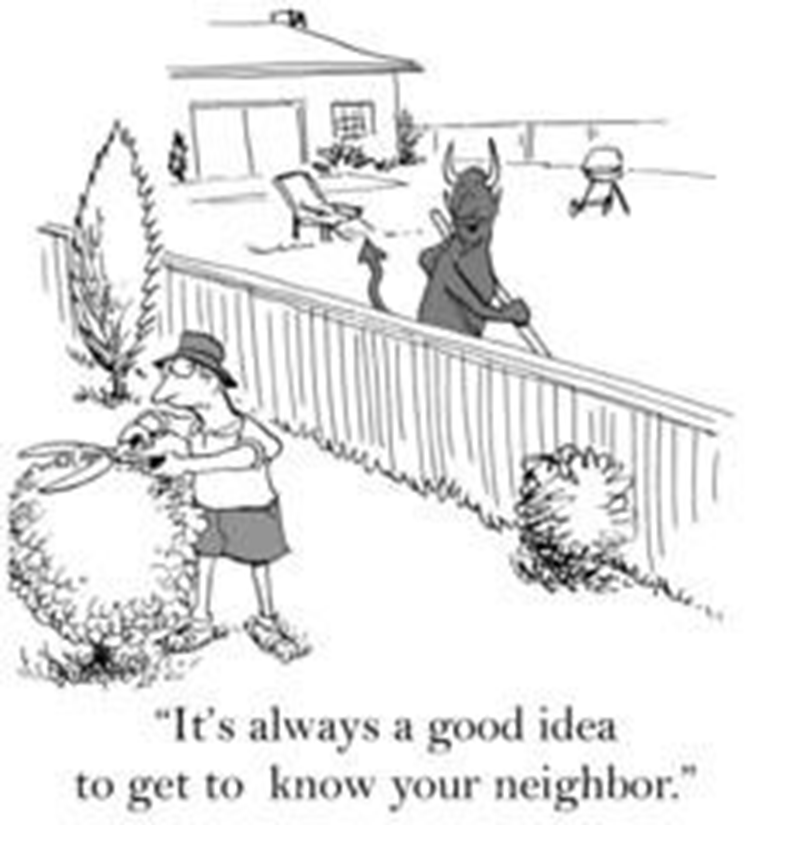
- Know your neighbours.
Knowing your neighbours will help you recognize if there is a suspicious vehicle or individual around. If you see an unfamiliar person loitering or a strange vehicle repeatedly cruising in the neighbourhood, this is considered a “suspicious activity.” Do not go home. Report the activity to local police and drive around the block; come back to your driveway when that person has left.
- Keep the driveway well-lit and unobstructed.
Make sure that your driveway and garage have lighting. Do not keep shrubs or other heavy vegetation around your driveway. Keep your driveway lit with traditional ground lighting, solar lighting, hanging lights, or LED lighting along the length of your driveway. If you live in an area with foggy nights, choose lighting that can be seen without decreasing visibility in fog.

- Planning ahead /Plan your routes
Decide on your route before you depart on your trip, even if it is just across town. Asking for directions can tip off a would-be car hijacker that you are lost. Plan ahead of time which route you will take and any stops you may need to make along the way. Choose the most direct routes possible.

- Avoid trouble spots and driving in unfamiliar areas.
Avoid high-crime areas, rural areas with less populated roads, and congested traffic spots. Look for a navigation app with the safety feature of avoiding high-crime spots.
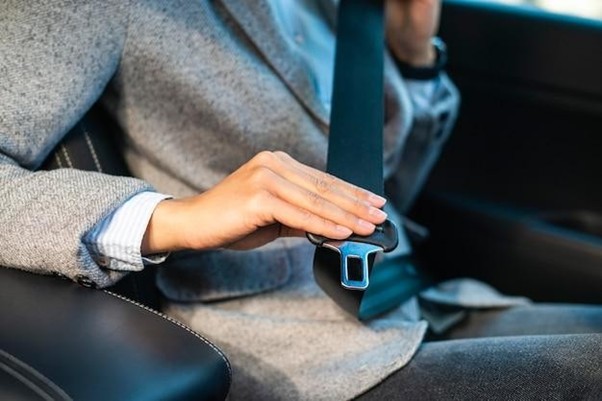
- Do not put your seatbelt on while pulling out of a space.
Do not put your seatbelt on while pulling out of a space. If something happens, you may need to get out of your car quickly. Instead, buckle yourself as soon as you are out of the space and ready to drive.
- When driving, it is important to appear confident and in control.
If you appear lost, weak, or preoccupied, you increase your chances of becoming a victim.
- Drive tactically.
Never appear to be distracted. Driving vigilantly, confidently, and displaying control is, in many instances, deterrent enough. Keep your vision up, and continually check outside the windows and in your mirrors. PUT PHONES AWAY!!
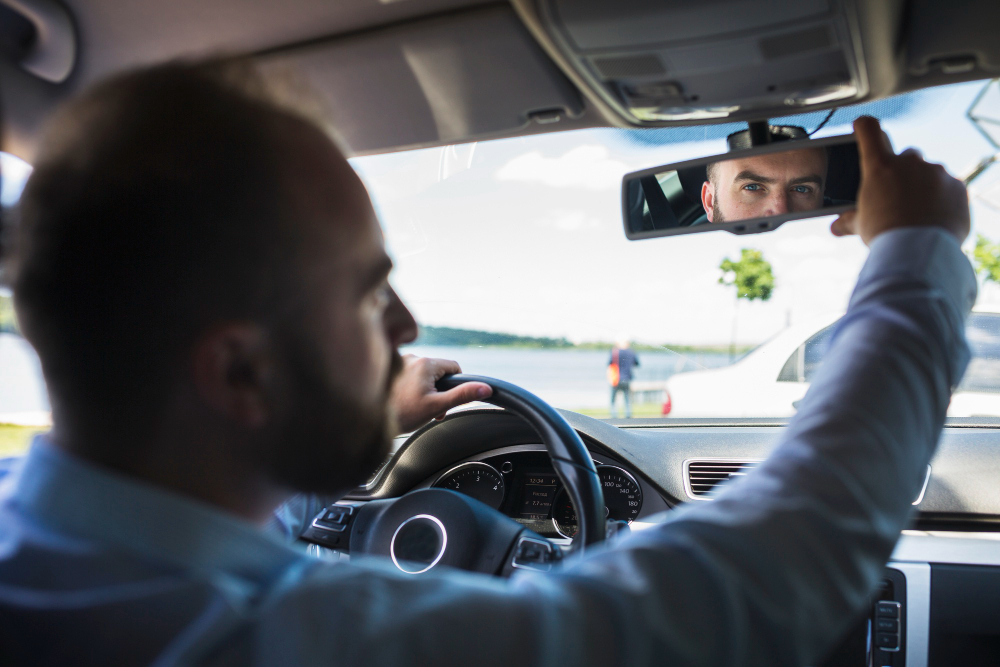
- Lock your car doors when driving and keep your windows up.
This applies whether you are in your car or not. Make it part of your driving ritual to lock your doors as soon as you get into the car, and as soon as you get out. Get fresh air from the air conditioner or fan. Many car hijackings occur at red lights and stop signs.
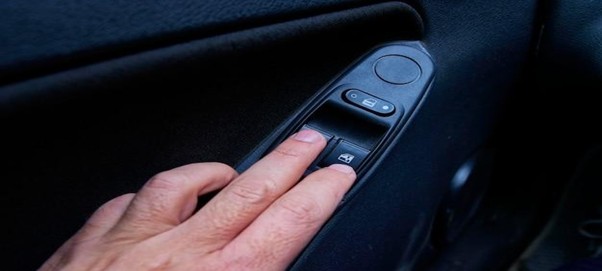
- When driving, keep your car windows up.
You should always keep your windows up when driving.
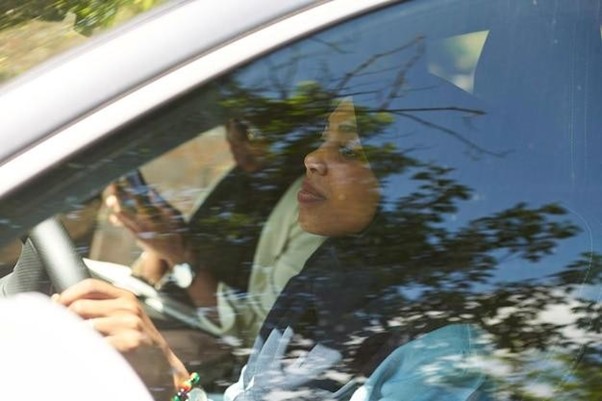
- Avoid driving alone, if possible, especially at night. Always have somebody to be with you while driving
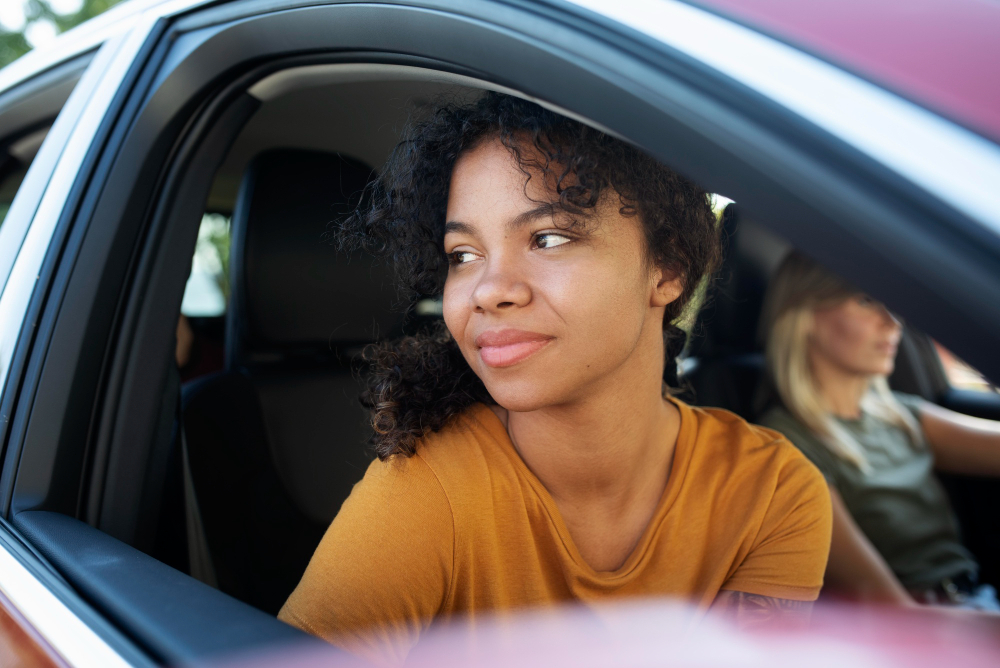
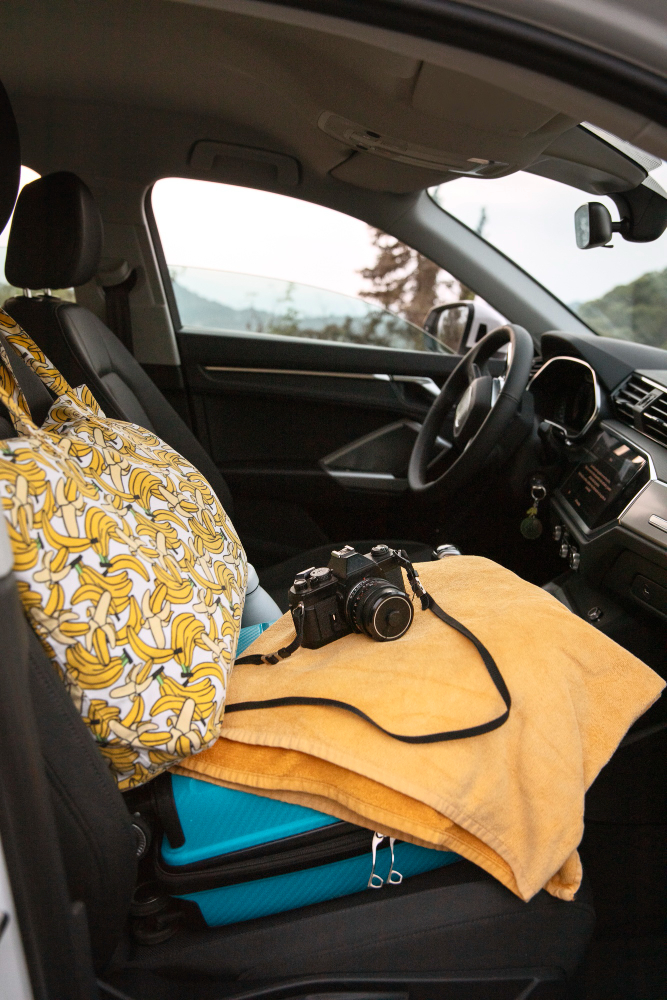
- Do not leave valuables on the seat that can be observed from outside. If you must keep personal property, such as a purse or shopping bags in the vehicle, put them in the trunk/boot where they cannot be seen. Never leave money in view inside your car, even if it is just spare change.
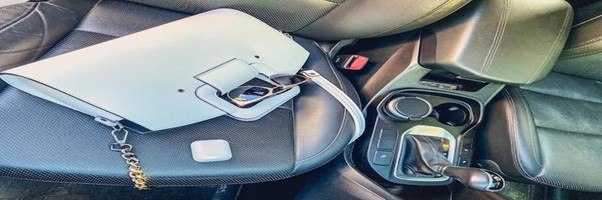
- Place these items on the floor and the pocketbook under the front seat. The trunk/boot is best.
- When you go to a filling station, turn off your ignition and lock your car when you go to pay the attendant.

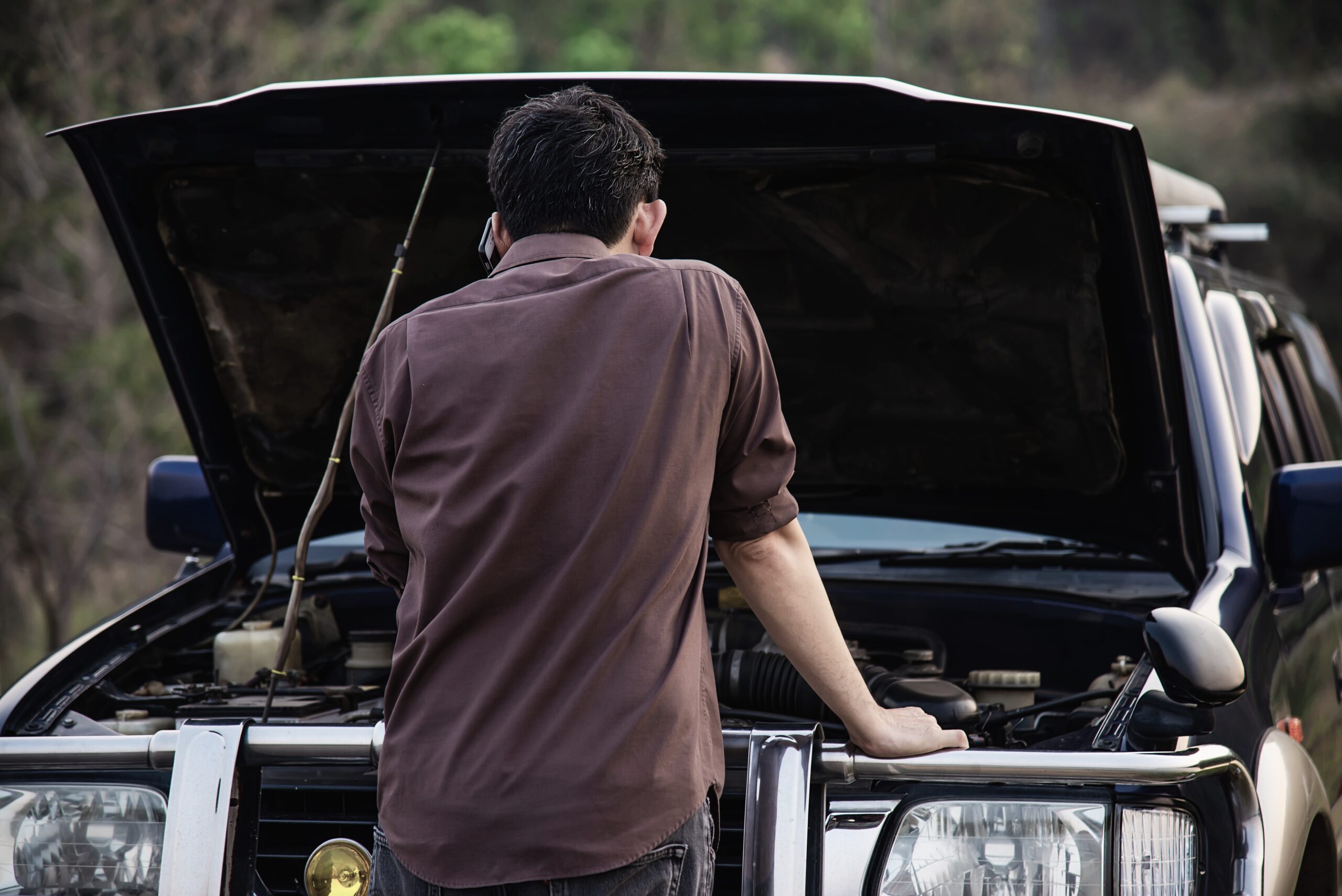
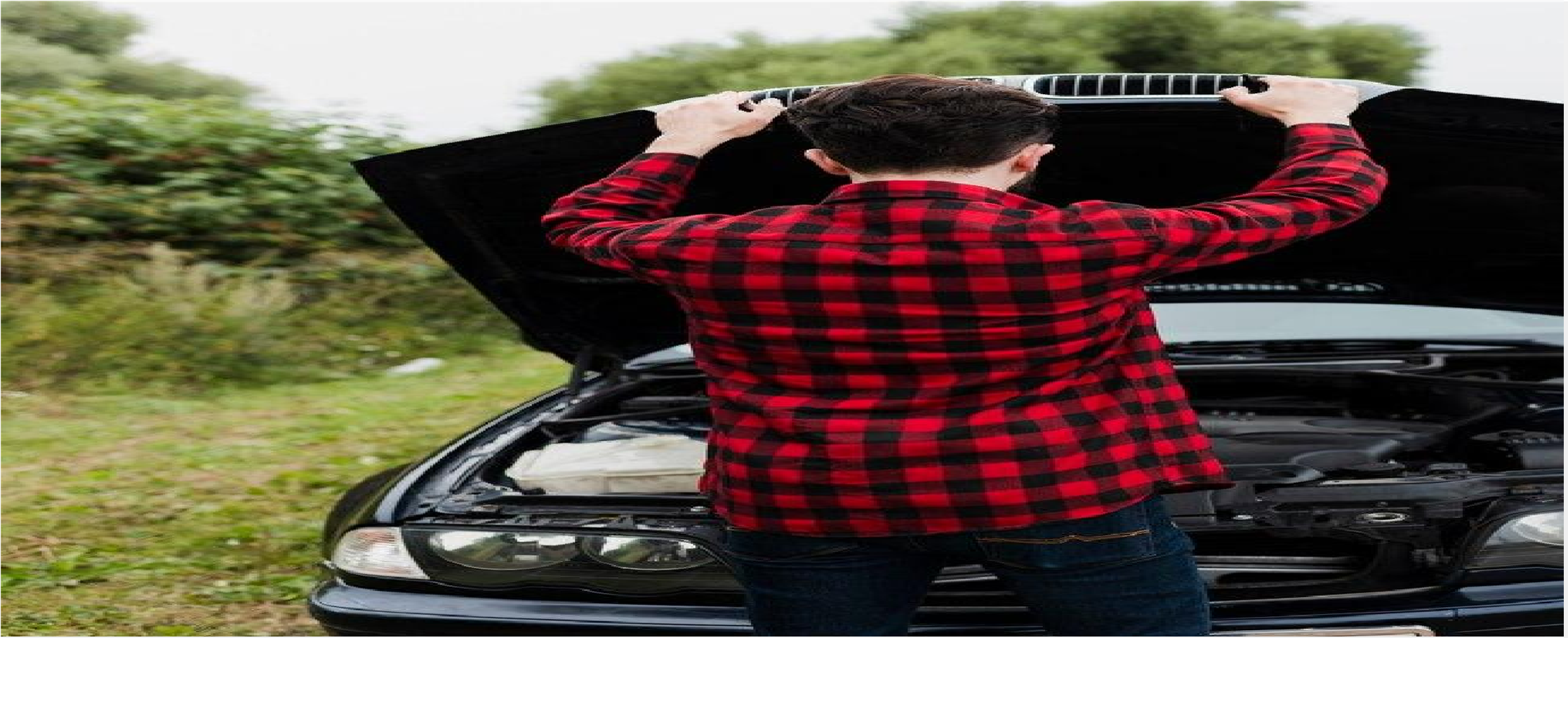
- Do not stop if you see a stranger whose car has broken down on the side of the road. Call for help via cell phone or filling station phone.
- On a highway, drive in the centre lane. This reduces your chance of becoming a “bump-and-rob” victim
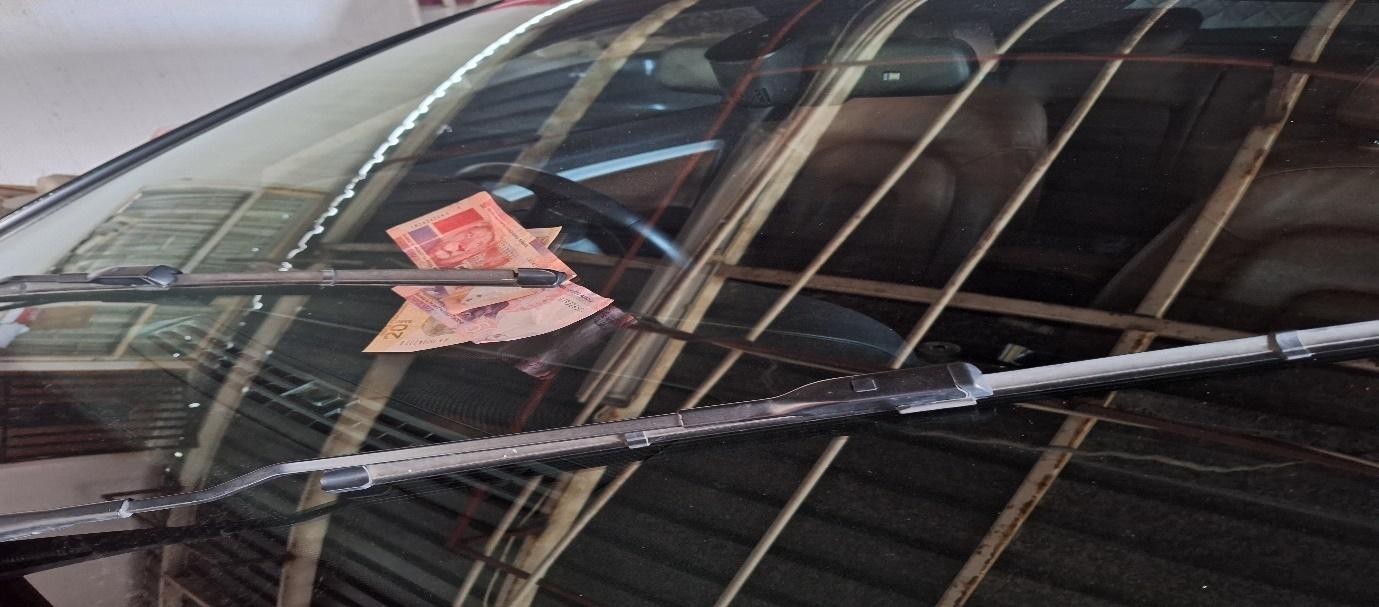
- Do not get out of the car if something is under your windshield wiper.
Placing paper money (real or fake) or even fliers under your windshield wiper is a trick criminals can use to get you out of your car. If you see money on your windshield and exit your vehicle to grab it, a car hijacker can rush into your vehicle
- Be wary of people trying to get your attention.
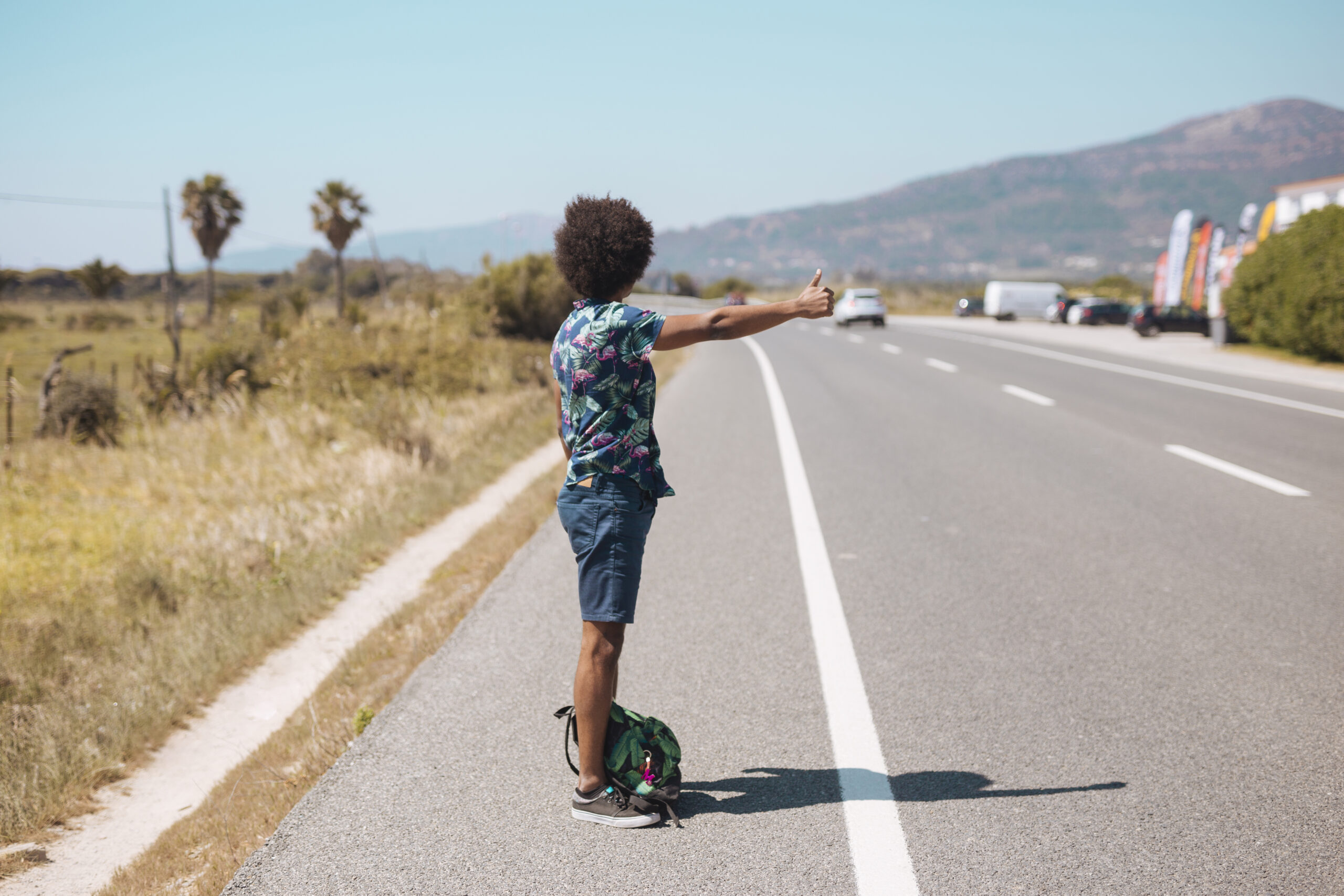
If someone is flashing their lights and trying to wave you over to the side of the road, or is appearing to be injured from an accident and is asking for your attention, do not stop.
If someone is trying to signal that there is a problem with your vehicle, keep driving and pull over when you find a safe public place. If someone appeared to be injured and needed help, call the authorities/police, or go to your nearest police or fire station to tell them what you saw. Keep an eye on people at intersections (or unfamiliar cars in your neighbourhood).
- Never enter your driveway if there is a car behind you.
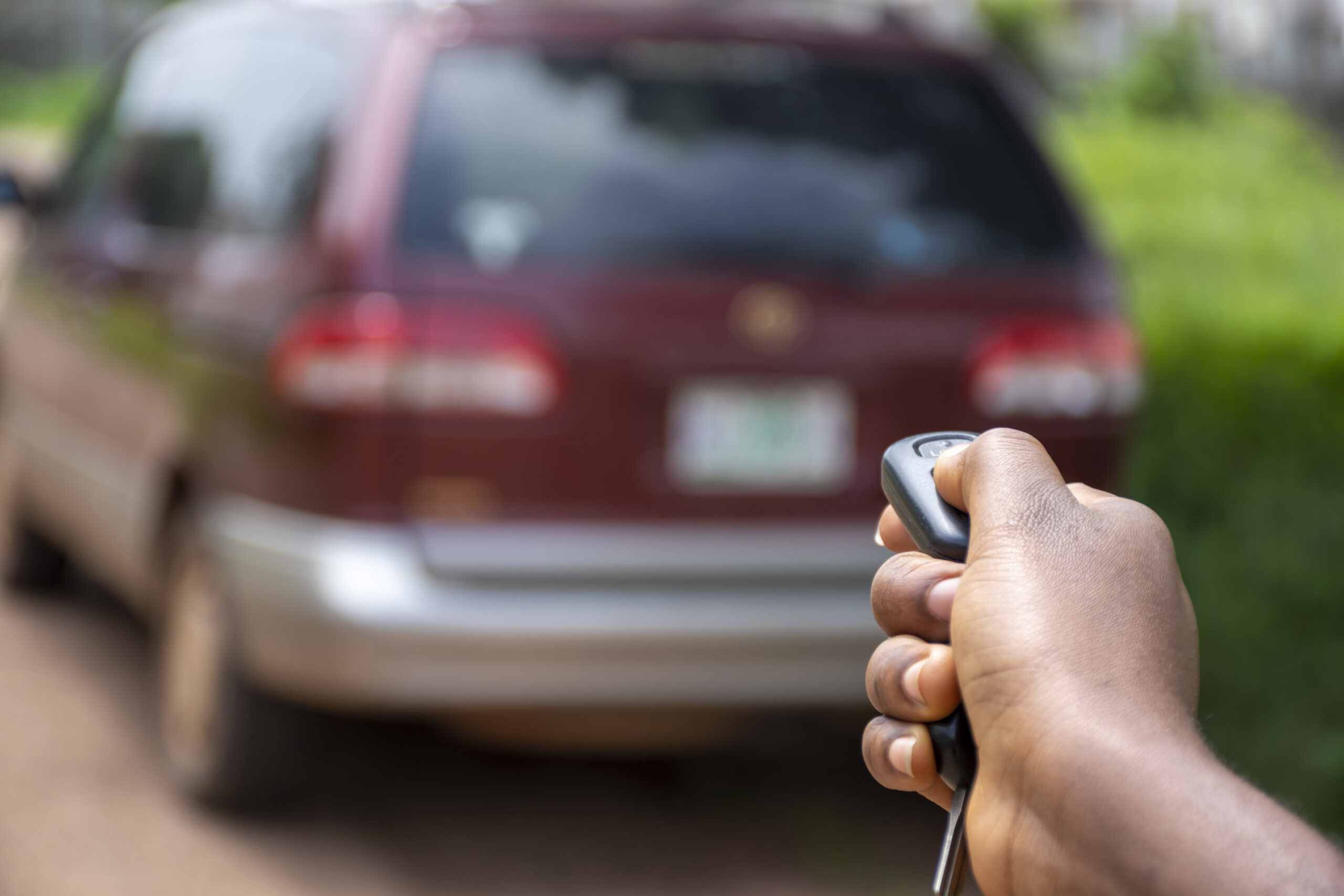
- Unlock your car only when you are close by.
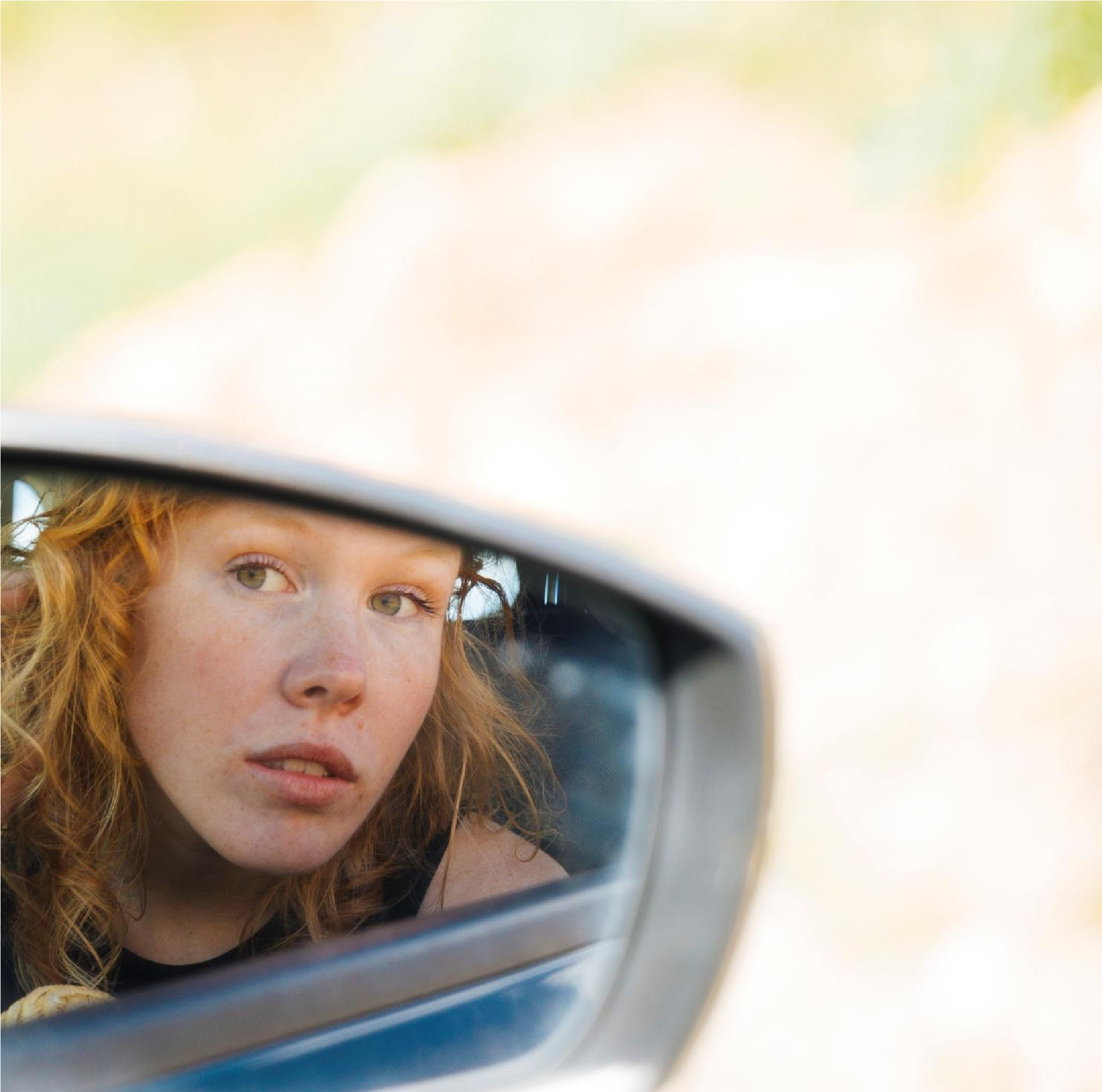
- If you suspect you are being followed, drive to your nearest police station or a busy public area..
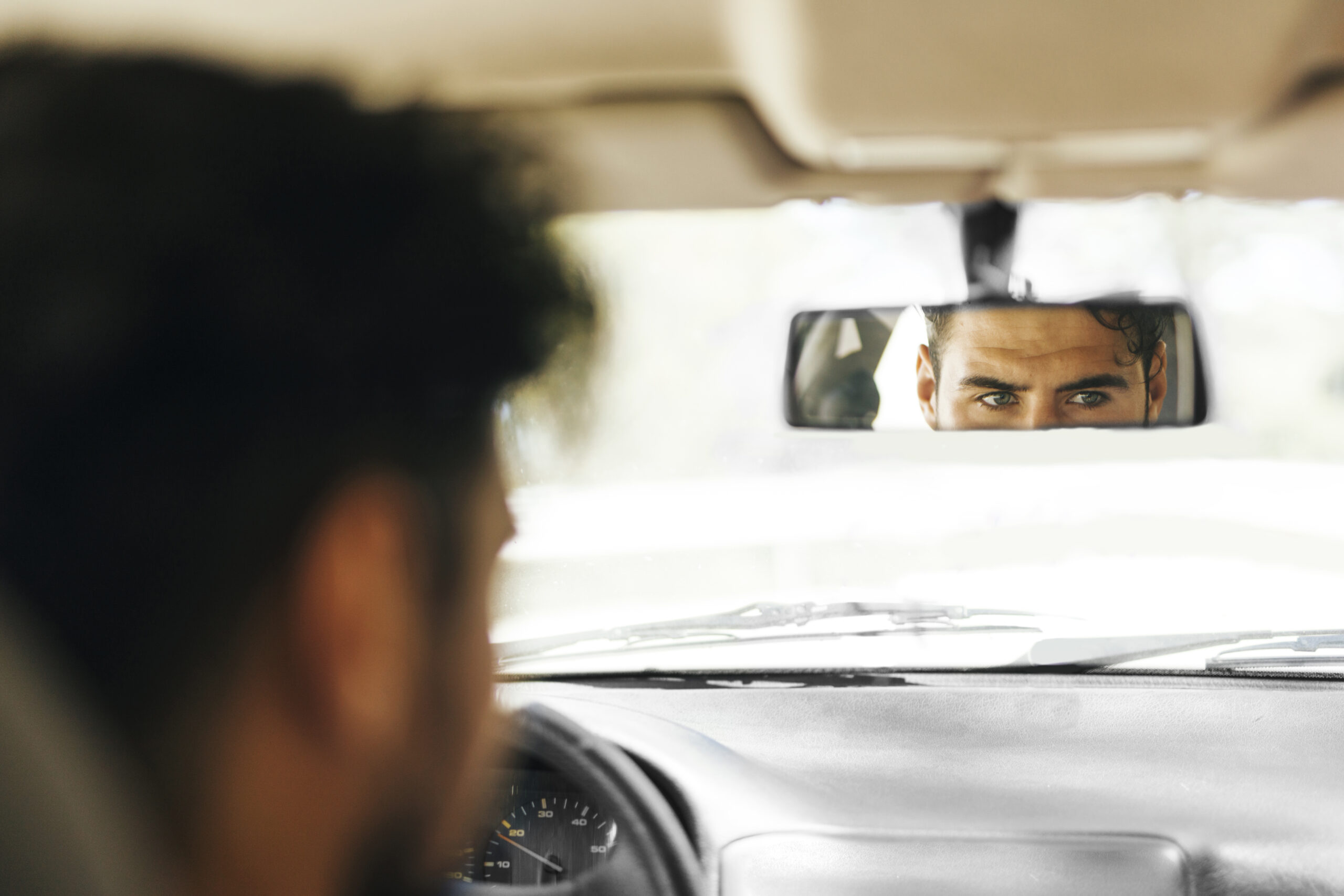
- Avoid leaving your premises if there are any suspicious-looking cars parked
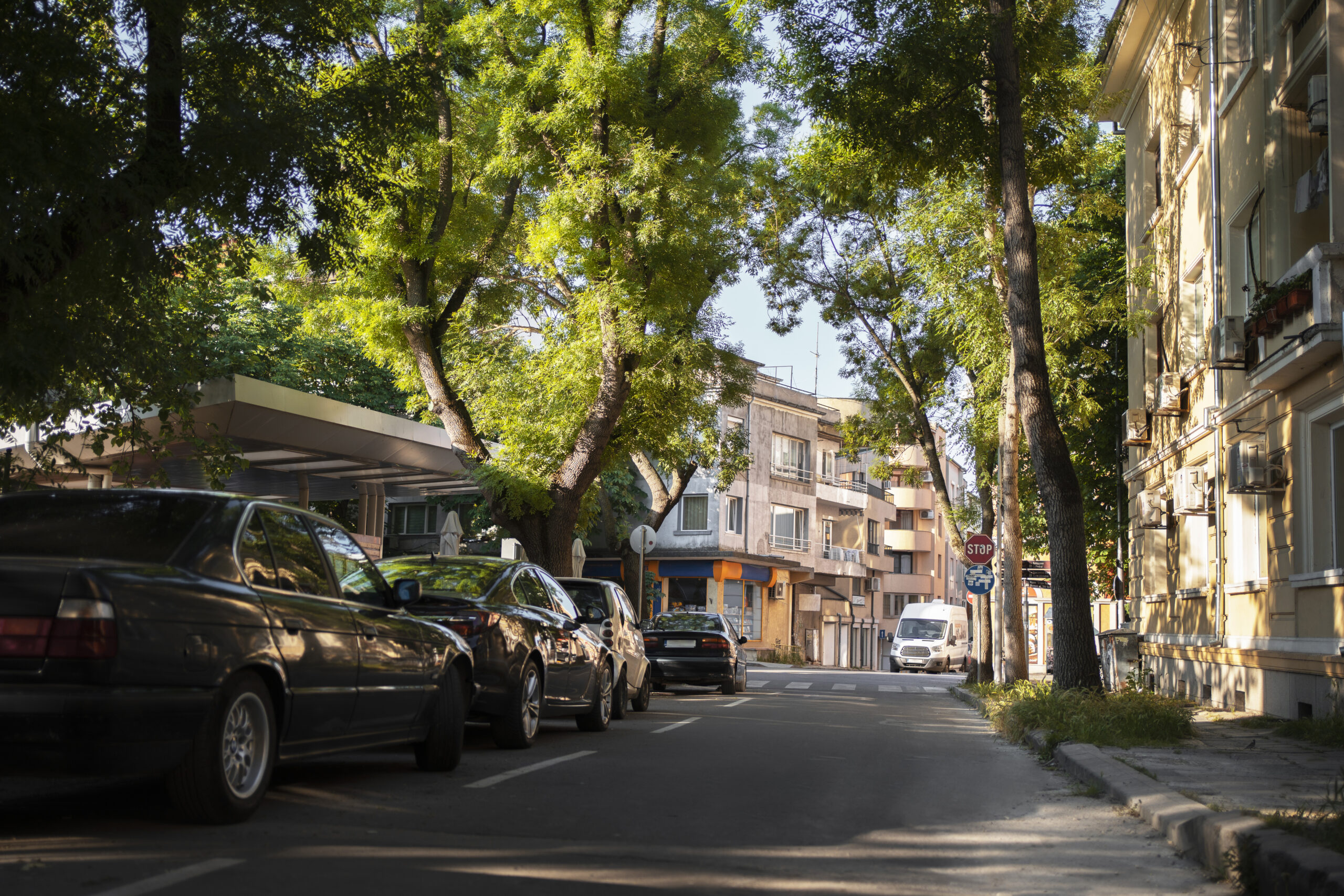
- When approaching a red traffic light, where possible, slow down so that you only reach it when it turns green.
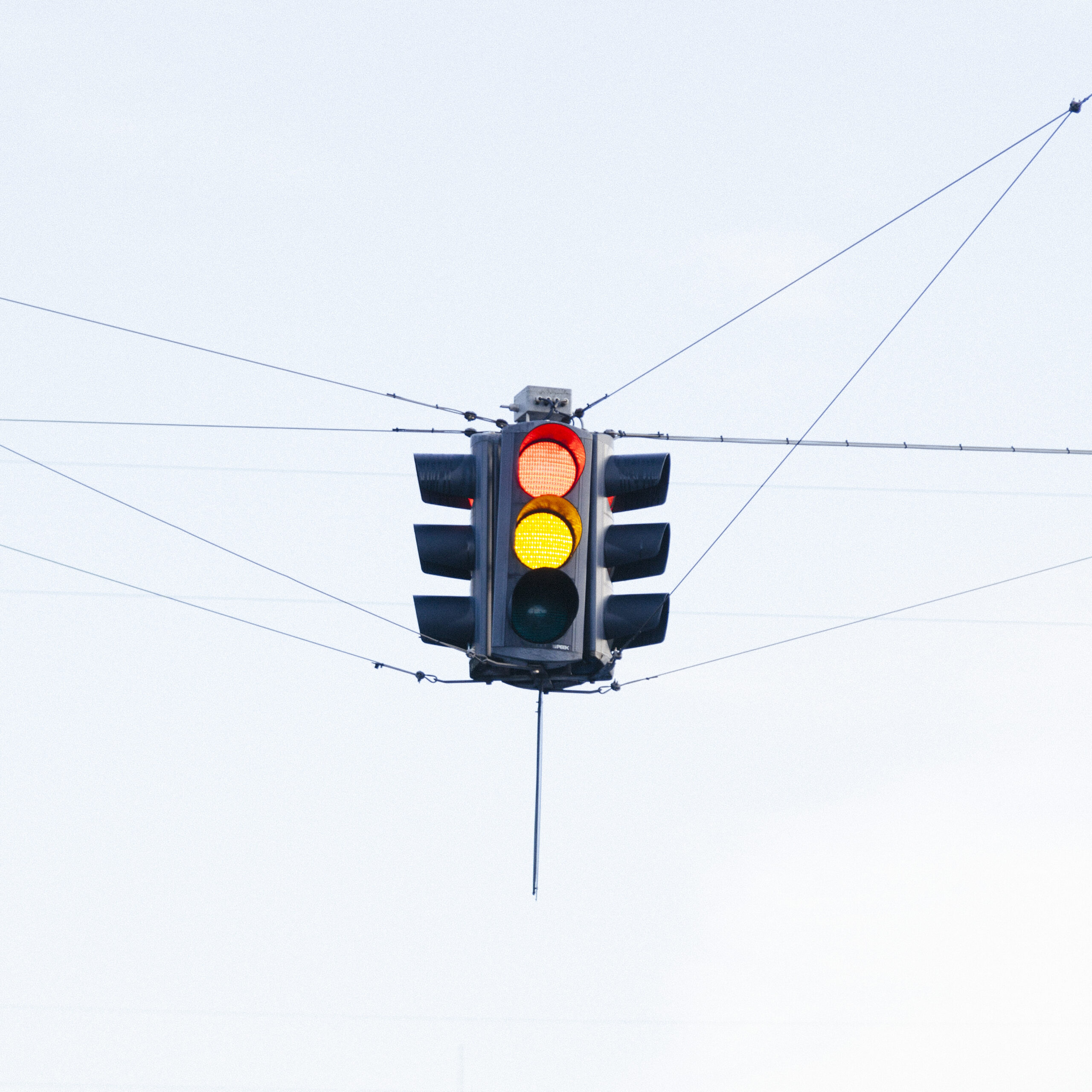
- A well-maintained car is less likely to break down and leave you vulnerable, so make sure you have your car serviced regularly.
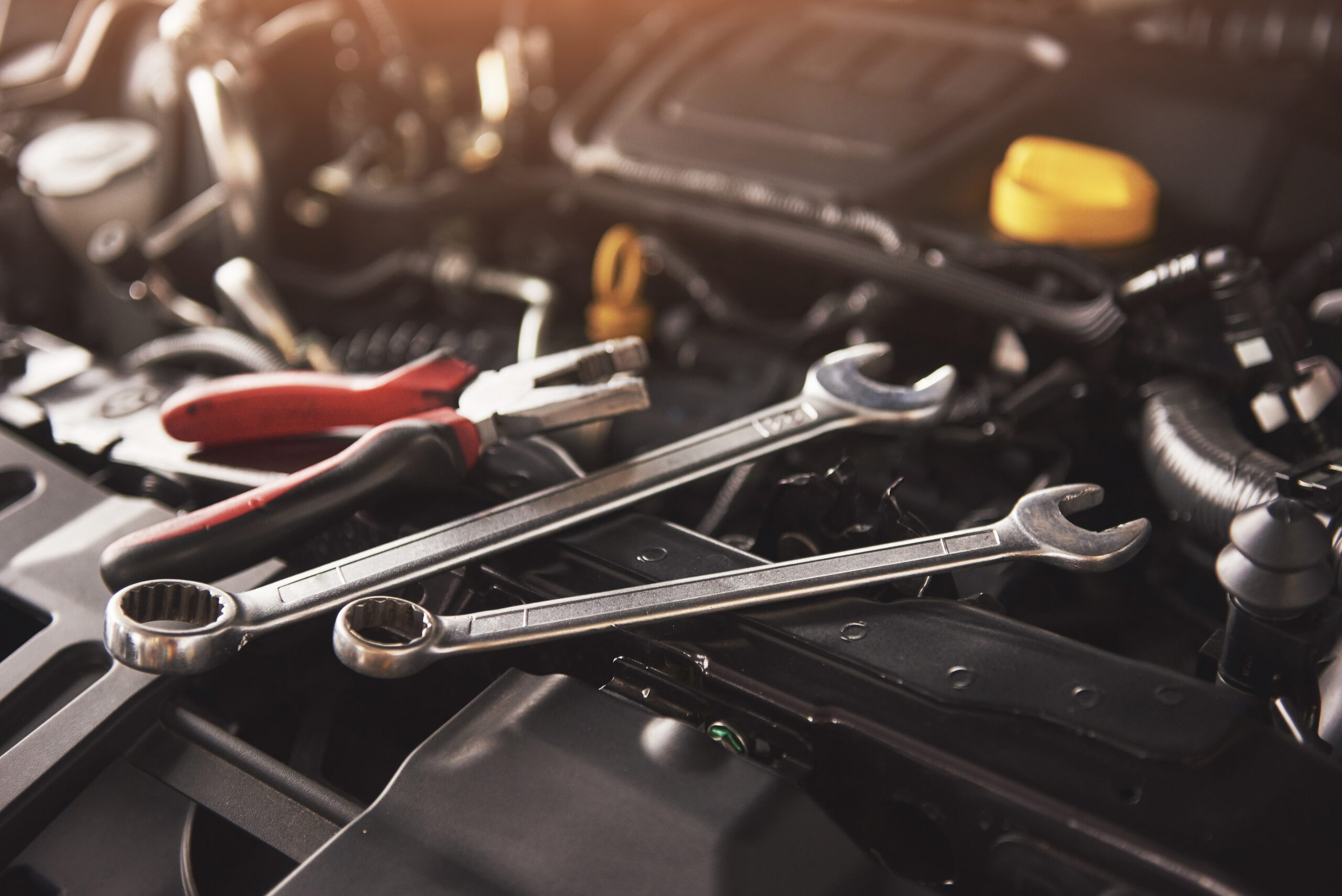
- Make Four Right Turns if You Are Being Followed
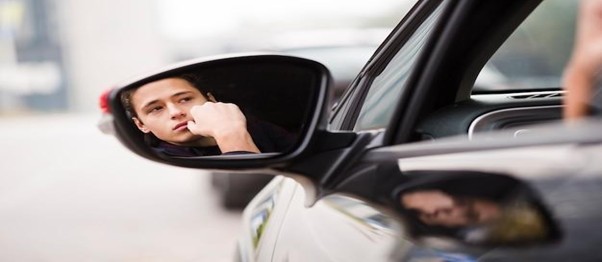
If you feel you are being followed by another car, make either four left or four right turns in a row. This strategy narrows the likelihood of the driver behind you tailing you by coincidence, as you would have just made a complete square with your car. If the person is still behind you after doing this, drive to your local police or fire station, or call the police. Do not go to your home!
- Always keep your hands visible
If you are approached by a hijacker, always keep your hands visible
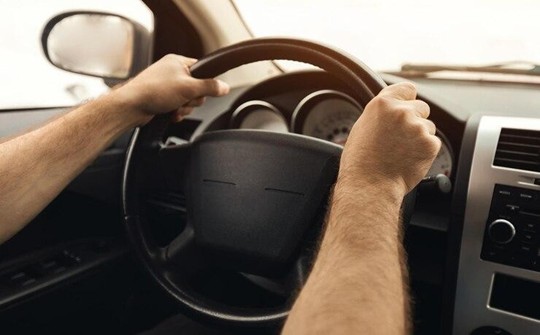
- Keep jumper cables in your car
Always carry jumper cables in your car for short or long-distance drives. This tip will be helpful to you financially and for safety reasons to avoid high towing fees or getting stuck somewhere for long periods.
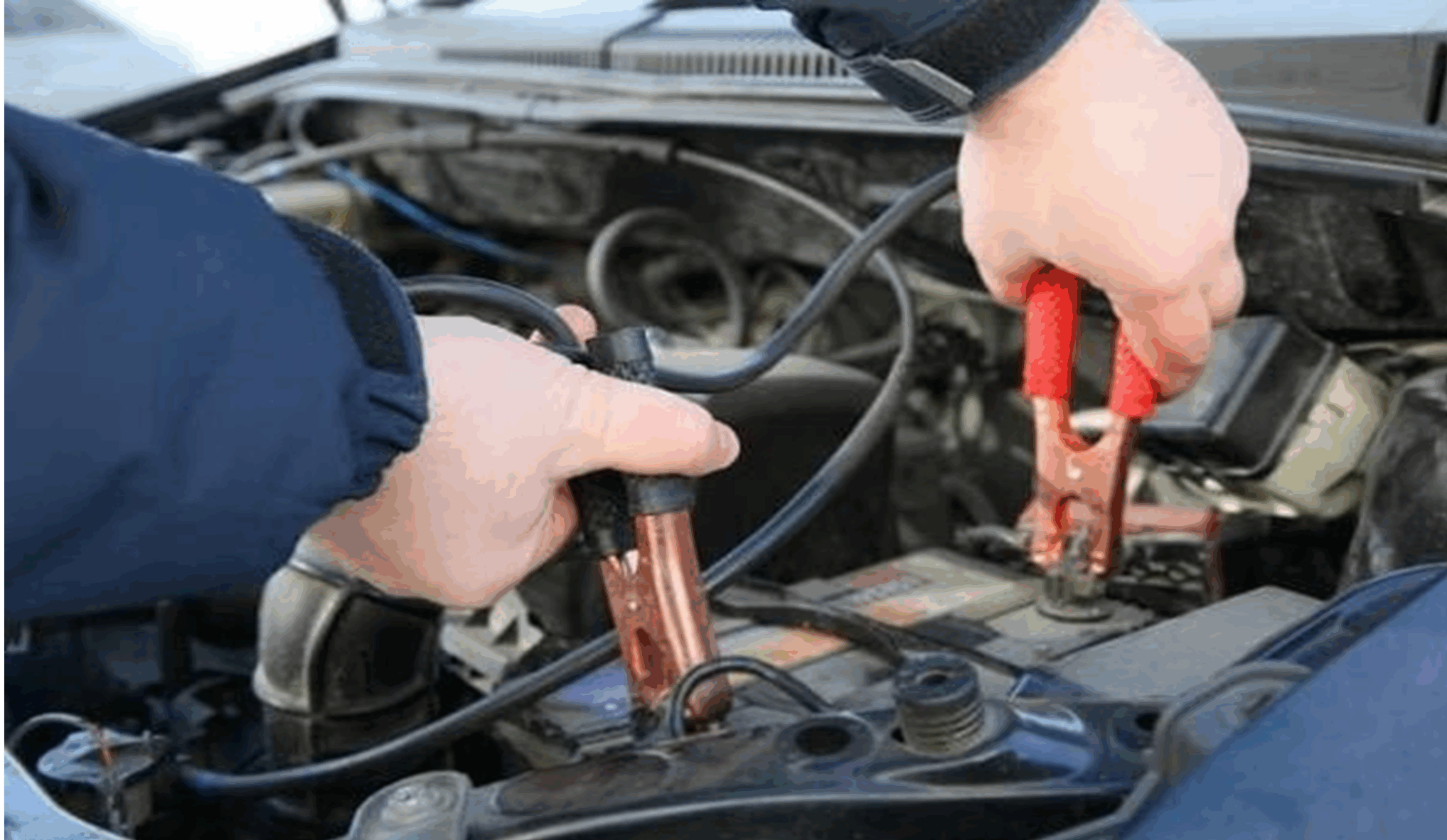
Another good idea is to call the police station while doing so (safely, of course) and tell them your location, model of car, and name, and ensure that there is one of their officers actively behind you. You can also let them know you intend to pull over once you are in a safer place.
IF YOU ARE IN THE CAR WITH THE CAR HIJACKER
What if you were stuck in the car with a car hijacker?
It might be rare, but in some circumstances, you may find yourself trapped in the car with your car hijacker, whether as an unwilling driver or passenger.
- Stay calm
- In this situation, it is important to be as calm and cooperative as possible. Use the calm you have created to buy time, time you can use to plan your escape or fight back;
- Create a distraction, and
- Drive to a police station, manned service station, or a populated area, or simply wait for the vehicle to stop at an intersection and bail out.
Unfortunately, being trapped in the car with someone intent on doing you harm is a tough situation, and no advice will be appropriate in every situation. Keep your wits about you, think fast, and act slowly. Remember, calming your attacker into a false sense of security is the most likely scenario in which they will drop their guard and present you with an opportunity to escape.
- Give in and run
Assuming none of the above options are viable – or you are unable or unwilling to defend yourself – the overriding piece of advice we can offer in a carjacking situation is to simply give in and run.
Most car hijackers want your car, not you, and if the car hijacker appears angry, nervous, violent, or excited, it is best you keep yourself safe by handing over the keys and getting to safety as quickly as possible.
If the car hijacker is attempting to take your vehicle with your child or children inside, inform them loudly and repeatedly that this is the case. Most car hijackers do not want the ‘inconvenience’ of a kidnapping.
- Try to remain composed
Above all, try to remain composed and make a note of the car hijacker’s details: Gender, skin colour, nationality, clothing, height, weight, accent, hair colour, tattoos, or other distinguishing marks. This information will be useful in a subsequent police investigation. Give this information, and the details of your car, to the police as soon as possible, preferably from the scene. If possible, secure the assistance of a witness.
Car hijacking occurs more frequently on weekends than on weekdays, so be especially alert on Fridays, Saturdays, and Sundays.