
Before You Travel
- Research Your Destination:
- Check travel advisories and verify entry requirements including visas and vaccinations.
- Understand local customs and laws.
- health risks,
- Check travel advisories: Review government advisories for your destination beforehand.
- Share Your Itinerary: Provide family or friends with your travel plans and accommodation details. Stay in touch regularly.
- Secure Important Documents: Make photocopies of your passport, ID, travel insurance, and bookings. Store copies separately from the originals and consider digital backups.
- Purchase Travel Insurance: Purchase travel insurance to protect against medical emergencies, theft, or cancellations, and theft or loss of belongings.
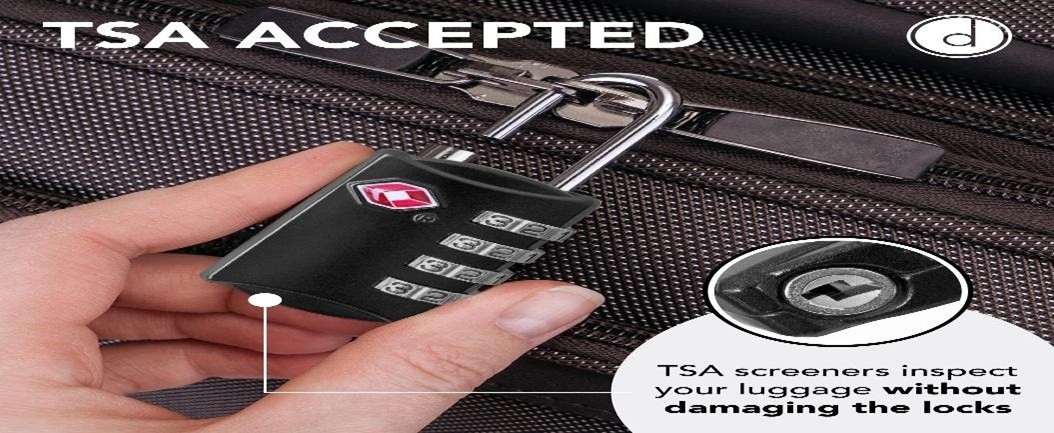
- Pack Smart: Bring only essential valuables. Use TSA-approved locks for luggage and label your bags clearly.
- Protect your home: Ask a trusted neighbour to watch your house and avoid posting vacation details on social media until you return.
Before you leave home
- Create a security checklist: Check everything from passports and reservations to prescriptions and pet care.
- Make your home look occupied: Use light timers, put mail on hold, and arrange for a trusted neighbour to collect any deliveries or newspapers.
- Silence your social media: Avoid posting about your vacation plans online. Wait until you return home to share your pictures.
- Adjust home utilities: Unplug non-essential electronics, set your thermostat to a moderate temperature, and turn down your water heater.
- Notify your bank: Inform your credit card company and bank of your travel dates and destinations to prevent a fraud hold on your accounts.
- Clear out trash: Empty all trash cans and clean out your refrigerator of perishables to prevent odour.
- Secure valuables: Lock up your most valuable items in a home safe or safety deposit box.
At your accommodation
- Inspect your room: Upon check-in, check that all locks on doors and windows function properly and that the peephole isn’t obstructed. You can also cover the peephole for added privacy.
- Choose a safer room: If possible, request a room between the third and sixth floors. These are high enough to deter easy break-ins but low enough for firefighters to access in an emergency.
- Secure your room door: In addition to using the deadbolt, place a door wedge under the door or use a portable door lock for extra security.
- Don’t advertise your absence: Use the “Do Not Disturb” sign when you leave the room to make it seem occupied.
- Be careful with room information. If a hotel staff member announces your room number, politely ask for a new room. Always keep your key card separate from the sleeve that has your room number on it.
During Your Journey
- Stay Aware: Be alert in crowded areas and watch for pickpockets.
- Protect your valuables: Avoid wearing expensive jewellery or clothing and limit displaying expensive electronics in public.
- Use official transport: opt for registered taxis or reputable ride-share services.
- Avoid hitchhiking and unmarked vehicles.
- Protect your accommodation: Use hotel safes for valuables, lock doors and windows, and do not share your room number with strangers.
- Health Precautions: Drink bottled or filtered water if local supply is unsafe.
Wash hands frequently and use hand sanitiser.
- Emergency Contacts: Know the local emergency numbers (police, ambulance, embassy/consulate). Carry a written list in case your phone is lost.
- Secure your belongings: Use luggage locks, money belts, and anti-theft bags.
Store valuables in a hotel safe whenever possible.
- Stay aware: Pay attention to your surroundings, especially in crowded areas like airports and tourist attractions. Be cautious when using public transportation.
- Be mindful online: Avoid using public Wi-Fi for sensitive activities like online banking. Use a VPN to protect your connection.
- Travel smart: Use secure, licensed transportation providers.
- Lock your car doors: Lock your car doors and avoid predictable routines or isolated areas.
- Know your hotel: If staying in a hotel, reserve a room above the first floor and know where the fire exits are. Consider bringing a door jammer for extra security.
While Enjoying Activities
- Adventure Sports: Only book with licensed and reputable operators. Check safety equipment and follow all instructions.
- Swimming & Water Safety: Swim only in designated safe areas and heed warnings about tides or wildlife.
- Nightlife Caution: Stick with trusted companions, watch your drinks, and avoid accepting beverages from strangers.
Protect Your Identity & Documents
- Secure travel documents: Keep passport scans and IDs in encrypted folders or secure cloud storage.
- Avoid uploading sensitive info: Only share documents through verified platforms—never via email or public links.
- Watch for scams: AI-generated phishing attempts can mimic official requests for selfies and ID scans.
Avoiding common scams
- Be sceptical of “too good to be true” offers: If a deal on tickets or merchandise seems unusually cheap, it is likely a scam.
- Confirm staff identity: If someone claiming to be hotel staff knocks on your door, call the front desk to confirm their identity before letting them in.
- Be wary of staged incidents: Scammers may use a staged distraction, such as bumping into you or spilling something, to pick your pockets. Politely decline any offers of help and remove yourself from the situation.
- Only book with reputable providers: To avoid fake websites and listings, book flights and accommodations through trusted, official platforms.
- Use secure Wi-Fi: Avoid public, unsecured Wi-Fi networks when accessing sensitive information like your banking apps. Instead, use a VPN or your mobile data.
General Safety Tips
- Trust Your Instincts: If a situation feels unsafe, remove yourself calmly and quickly.
- Blend In: Dress and act modestly to avoid drawing unnecessary attention.
- Keep Emergency Funds: Store spare cash and a backup credit card separately from your main wallet.
- Be Prepared for the Unexpected: Have a basic first aid kit and know alternate routes and exits in public places.
By following these travel and vacation safety tips, you can minimise risks and make the most of your adventure. Prioritising safety lets you focus on creating unforgettable memories while travelling responsibly.