
To spike a drink means to put alcohol, drugs, or other substances into someone’s drink without their knowledge or permission.
Drink spiking can be linked to crimes such as sexual assault and robbery. In these situations, the offender may spike someone’s drink to lower their defences and make it easier to commit a crime against them.
Drink spiking is illegal. This means that adding alcohol or drugs, other substances to another person’s drink without their knowledge or permission, or as a prank, is against the law, even if the drink is not consumed or the person is not harmed. People who spike drinks can be arrested.
You may not realise your drink has been spiked by smelling it or tasting it. The substances used to spike drinks are often colourless and odourless.
What is drink spiking?
Drink spiking is a deliberate act. Public perception is that it is limited to slipping drugs into an alcoholic drink; however, drink spiking can include:
• Putting alcohol into a non-alcoholic drink (such as water, soft drink, non-alcoholic punch, or fruit juice).
• Adding extra alcohol to an alcoholic drink.
• Adding prescription or illegal drugs (such as benzodiazepines, amphetamines, or GHB – also called liquid ecstasy) into an alcoholic or non-alcoholic drink.
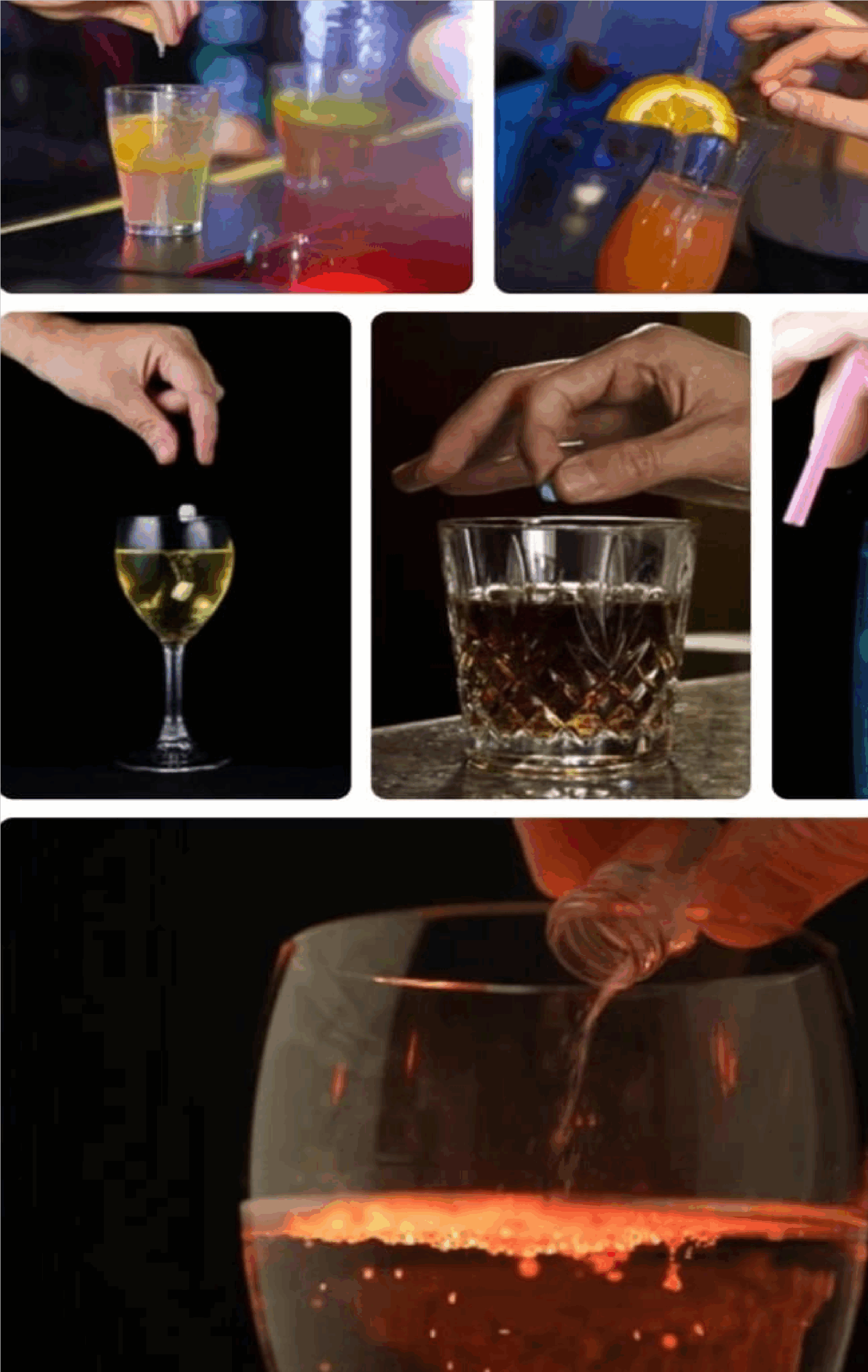
Drinks are most spiked with alcohol.
Alcohol and other drugs typically used in drink spiking incidents often have sedative effects. This means you might feel like passing out, have trouble controlling your body, experience blackouts or memory loss, and can result in people becoming unconscious or death.
Drink spiking symptoms may include:
• feeling drunk, woozy, or drowsy
• feeling “out of it” or drunker than expected
• mental confusion
• speech difficulties (such as slurring)
• memory loss
• loss of inhibitions
• nausea and vomiting
• breathing problems
• muscle spasms or seizures
• loss of consciousness
• an unusually long hangover
• a severe hangover when you had little or no alcohol to drink.
• Death
Reducing the risk of drink spiking
To protect yourself and your friends against drink spiking, safety suggestions include:
1. Party safely and socialise with trusted friends.
2. Plan how you will look out for each other while you are out.
3. Buy your own drinks.
4. If you are at a venue that serves drinks, watch the bartender prepare your drink.
5. Avoid accepting drinks from strangers.
6. If you accept the offer of a drink from a stranger, accompany them to the bar and take the drink from the bartender yourself.
7. Do not drink anything that has been spiked. If you see others doing so (including people you know), call it out.
8. Be wary if a stranger buys you a drink and it is not the type of drink you requested.
9. Keep an eye on your drink where possible. If you need to leave (to go to the toilet or dance, for example), ask a trusted friend to keep watch or take your drinks with you.
10. Buy drinks that come in bottles with screw-top lids.
11. Carry the bottle in your bag when you go to the toilet or have a dance.
12. Do not consume your drink if you think it may have been spiked.
13. Discuss your concerns with the manager or host.
14. Tell the manager (host) or the security immediately if you see someone spike a drink or if you suspect that drink spiking may be occurring.
What to do if you suspect drink spiking
• Alert a trusted person – such as a friend, venue staff, or host what is happening.
• There are a few things you can do if you suspect you or someone else has had their drink spiked:
• Go to a safe place – have a trusted person with you.
• Keep a close eye on anyone who has had their drink spiked.
• Call an ambulance if their condition deteriorates in any way (for example, if they lose consciousness).
• Contact the police as soon as possible after a suspected incident of drink spiking.
• Contact a sexual assault support service for compassionate support around reporting and to talk through what has occurred.