
- Your home is your castle…or is it? Is your home safe once you leave for work or school? Your home is considered a sanctuary where you should feel safe or secure. Your home is the only environment where you have control over who can get close to you or your family. Therefore, protecting your home and family from criminal intrusion should be a top priority.
By far, the most common threat to our homes is burglary/housebreaking.
The crime of burglary/housebreaking is a non-confrontational property crime that occurs when we are not at our homes. Some burglaries/housebreakings have been committed while people were in the houses without them noticing. Naturally, becoming a burglary victim can leave a family feeling vulnerable and violated.
- Understanding the crime of burglary/housebreaking
To avoid becoming a burglary victim, it is important to first gain an understanding of the following:
- Most of the home and apartment burglaries occur during the daytime and nighttime when most people are away at work or school or on vacation;
- In many instances of reported housebreaking, thieves are rarely caught in the act;
- Although home burglaries may seem random in occurrence, they involve a selection process. The burglar’s selection process is simple and may include:
- Choose an unoccupied home with the easiest access; The greatest amount of cover; and
- The best escape routes.
- The three levels of your property that need protection
When designing a physical security program for your property, the three levels you need to protect are:
- Outer perimeter;
- Inner perimeter; and
- Interior perimeter.
If you can implement two or three forms of security at each level, then you will more than likely have an effective physical security system for your property.
3.1.2 Outer Perimeter Security
The outer perimeter of your property is defined by your actual property lines. In securing the outer perimeter, your goal is to control who can walk or drive onto your property. One of the more critical forms of perimeter security is a barbed wire fence with a gate. In deciding what type of perimeter security to implement, you need to weigh the risk of an intruder entering your property with the cost of the available physical security measures.
The following are suggestions to be taken into consideration regarding Outer Perimeter Security of your property:
- Do not allow daily deliveries of mail, newspapers, or flyers to build up while you are away;
- Arrange with the Post Office to hold your mail, or arrange for a friend or neighbour to take/collect it regularly;
- Arrange for your lawn to be mowed if you are going away for an extended time;
- Have adequate exterior lighting. A motion-sensitive light is recommended for backyards; and
- Trim trees and shrubs so that they cannot be used as hiding places for
Do not Tempt a Thief:
- Burglars will use tools that they find outdoors to help in their efforts to break in. This includes crowbars, screwdrivers, sledgehammers, glass cutters, torches, hammers, and especially ladders;
- Lawnmowers, barbecues/ braai stands are best stored out of sight;
- Always lock your garden sheds and garages;
- Use curtains on garage and basement windows; and
- Never leave notes on your doors and gates such as “Gone shopping.”
3.1.2 Inner Perimeter Security
Your inner perimeter consists of the following:
- Doors;
- Windows; and
- Walls of your building(s).
Protecting your inner perimeter is usually accomplished with:
- Locks
- Keys and
- Alarm systems.
The purpose of locks and keys is to keep intruders /burglars out. An electronic access control system is also a useful tool to control the flow of traffic into your inner perimeter.
When designing any perimeter security system, be careful not to lose control of your keys. If an unauthorized person can make copies of your keys without your knowledge, then you have a serious security weakness.
The following are some of the measures/tips that can be used to protect the inner perimeter of your property.
3.2 Windows
It is of critical importance to understand the following regarding the burglary entry through windows.
- Windows are the other major path of entry for burglars;
- An open window, visible from the street or alley, may be the sole reason for your home to be selected by a burglar;
- Ground-floor windows are more susceptible to break-ins, and
- Upper-floor windows become attractive if they can be accessed from a stairway, tree, fence, or by climbing on balconies.
- Suggestions to minimize/prevent intruders from entering your property through the window include:
- CLOSE your windows before you leave the house or go to bed. Even if it is for a short time, close your windows;
- Items of value should be kept away from windows;
- Always lock windows, even first-floor windows;
- Be aware of the bushes surrounding exterior windows; and
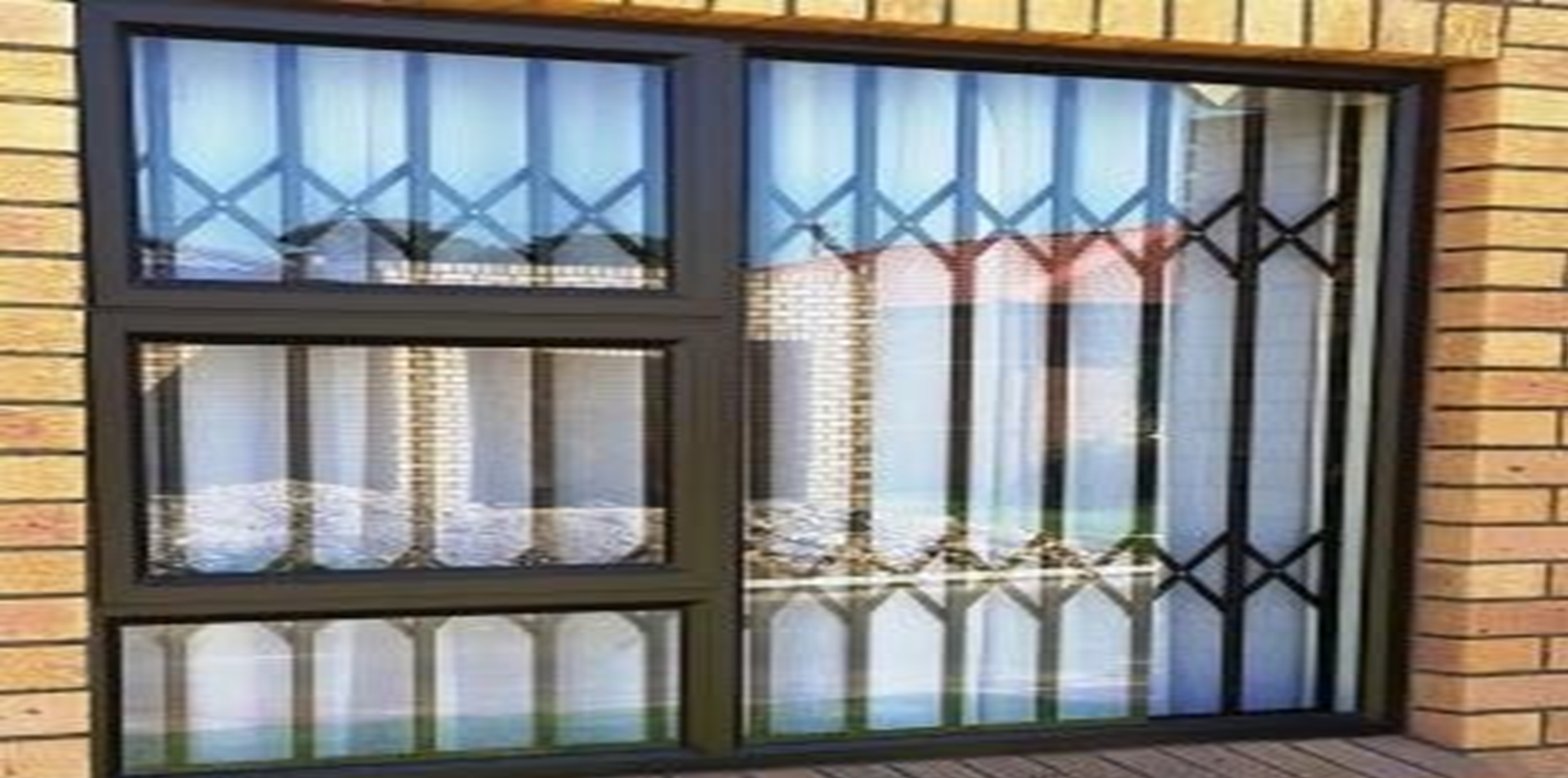
Instal window Burglar Bars
3.3 Doors
- Suggestions to minimize/prevent intruders from entering your property through the doors include:
- Lock all outside doors before you leave the house or go to bed. Even if it is for a short time, lock your doors;
- Keep your garage door closed and locked;
- Use solid-core exterior doors, including the door into your garage;
- Upgrade your locks to high-security locks. Most household locks are simple to bypass.
- Never hide any keys in traditional places, such as in pot plants or under doormats;
- Keys in the keyhole on the inside of the front or back door should be turned to avoid easy removal.
- Remove keys from doors when leaving;
- Change locks immediately if your keys are lost or stolen;
- When moving into a new home, have all locks changed; and
Install doors Burglar Bars.
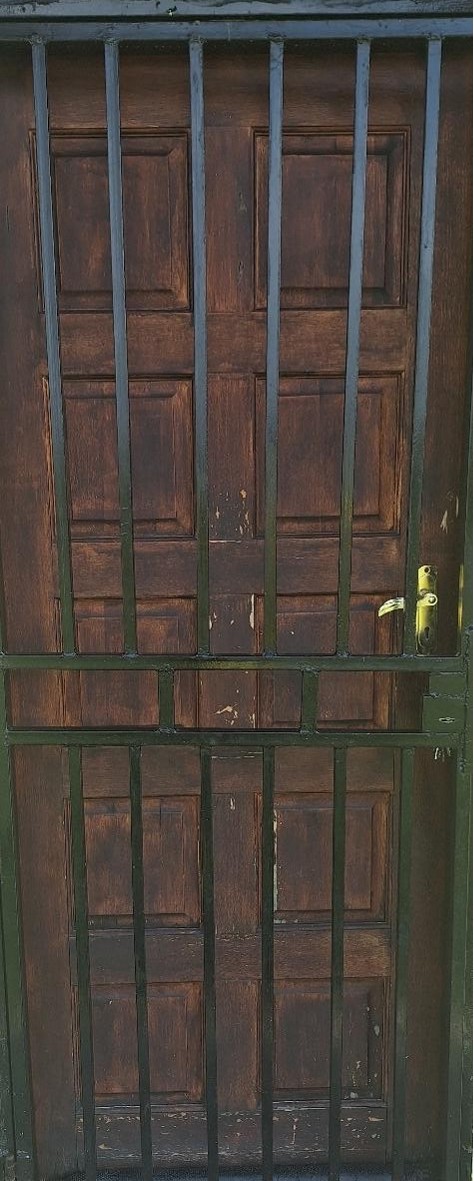
Door burglar bars help:
- Prevent would-be burglars from breaking and gaining access through the doors;
- Provide a psychological deterrent that discourages burglars from attempting a break-in;
- Lessen residents’ anxiety about burglaries and home invasions, by giving them peace of mind; and
- Raise the value of your home since potential buyers see a secure home an excellent investment.
- Interior Security
Interior security is your final level of security and consists of the interior of your building(s). Security cameras are an effective tool for monitoring the interior of your house/business as well as recording evidence.
It is of vital importance to understand the following regarding the interior security of your property:
- Burglars tend to avoid homes with security systems;
- Most burglaries take place between 08:00 a.m. and 1:00 p.m. and 00h00 and 03h00 a.m.
- Most criminals can burglarize a home in less than ten minutes;
- Almost 60% of burglars enter a home through an unlocked door or window;
- A disturbing 34% of burglars enter through the front door;
- Burglars usually go to the master/main bedroom first;
- These thieves prefer single-story homes (two-story homes often have the master bedroom on the second floor);
- Thieves often monitor an area to see when people are away from home and when there is less pedestrian or motor vehicle traffic;
- Residents who are invariably away from home during certain periods are more likely to become victims of break-ins;
- Houses located in cul-de-sacs are at higher risk due to less frequent police patrols and proximity to woods (good hiding places); and
- Corner houses are not targeted as frequently as homes in the middle of the block; they are too visible.
Interior Security
- Make your home look occupied, and make it difficult to break in.
GENERAL TIPS TO PROTECT YOUR HOME FROM BREAK-INS/BURGLARIES
What follows is a list of suggestions to minimize your risk by making your home unattractive to potential burglars.
- Do not advertise new purchases.
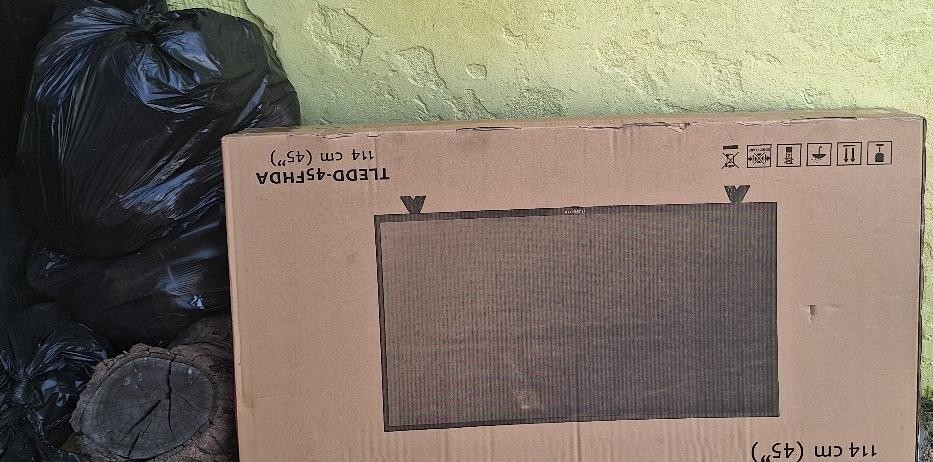
- Be sure not to draw undue attention to your home by discarding empty boxes with your trash; and
- Do not display your new purchases on social media platforms.
You are showing a potential burglar exactly what new and valuable items are now available in your home.
- Prune your shrubs
Bushes, shrubs, and trees can offer an intruder a place to hide and camouflage signs of a break-in. Trim back any overgrown vegetation so that your home’s windows, porches, and doors are visible to neighbours and passers-by.
- Draw the blinds
- Use shades, drapes, and other window treatments to keep potentially tempting household items out of view. Burglary is sometimes a crime of opportunity, and “window-shopping” is one-way criminals choose potential targets.
- Install motion sensors.
- Secure your house keys Securing your house keys is critical. Your key number should be kept secret.
- Watch your waste/garbage. If you are away for more than a few days,
- Ask your trusted neighbour to put some of his/her garbage in your trash bins, or you may ask to put your waste/garbage in your neighbour’s trash bins.
- While many waste workers are honest, some have been known to provide “no trash for days” tip-offs to burglars. Even if you are not away on an extended trip, be vigilant about the signal your garbage can sends to thieves.
Other precautions you should take:
- Never leave keys under carpets/rugs, flowerpots, mailboxes, or other “secret” hiding places — burglars know where to look for hidden keys. The best way to store a backup key is to leave it with a trusted neighbour.
- Keep a detailed inventory of your valuable possessions, including a description of the items, date of purchase and original value, and serial numbers, and keep a copy in a safe place away from home — this is a good precaution in case of fires or other disasters;
- Make a photographic or video recording of valuable objects, treasures, and Your insurance company can assist in making and keeping your inventory.
- One key to preventing burglaries is for a resident to make their pattern of absence less reliable;
- Create the appearance of being present by having lights on in the home, or having programmable lights that come on at random times for random periods;
- Trim the shrubbery around your home to reduce cover for burglars.
- Be a good neighbour. If you notice anything suspicious in your neighbourhood, call the police immediately.
- Get into the habit of not immediately falling asleep after switching off the
- You should not be visible in the bedroom from the outside when you are
- Mark your valuables with your driver’s license number with an engraver.
- Take photographs of all employees.
- It could be to your advantage to identify them if required.
- Remunerate your employees when useful information is provided that contributes to the prevention of crime.
- Do not employ casual workers without a reference.
- Keep copies of all your employees’ Identity Documents (IDs).
- Marked items are harder for a burglar to sell off and easier for police to recover; and
- Participate in your Sector Crime Forum (SCF), Street Committee, or Neighbourhood Watch Groups.
If Your Home Is Broken Into
If you come home to find an unexplained open/broken window or door, this is what you should do:
- Do not enter – the perpetrator may still be inside;
- While most home burglars are cowards and will take pains to avoid a confrontation, some are “armed and dangerous.” In the event, you encounter a crime in progress, attempt to flee. If you are blocked in, stay still, and allow the burglar to leave quietly, with whatever he is carrying. Do NOT attempt to arrest him.
- Use your cell phone or your neighbour’s phone to call the police;
- Do not touch anything or clean up until the police have inspected/investigated for evidence;
- Write down the license plate numbers of any suspicious vehicles; and
- Note the descriptions of any suspicious persons.