
When it comes to choosing the right gloves for safety at work, understanding the European Norm (EN) standards is crucial. These standards ensure that gloves meet specific safety requirements based on the risks present in different work environments. In this blog, we’ll dive into some of the most relevant EN standards for gloves: EN 388 (for mechanical risks), and EN 407 (for heat resistance). These standards make it easier to find the applicable hand protection for various industries like Chemical & Fire, Mining, Oil & Gas, Construction, Agriculture, and Manufacturing.
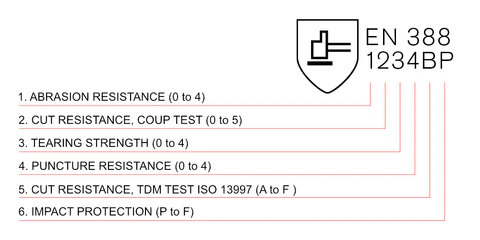
EN 388 is the most widely recognised standard for safety gloves used in tasks where mechanical hazards are present. It evaluates gloves for their ability to withstand:
1. Abrasion Resistance
2. Cut Resistance (Coup Test)
3. Tear Resistance
4. Puncture Resistance
5. Updated TDM Cut Resistance
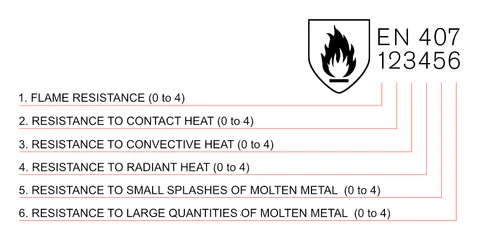
EN 407 applies to gloves used in environments with extreme heat. The standard evaluates gloves based on six performance categories:
1. Flame Resistance
2. Contact Heat Resistance
3. Convective Heat Resistance
4. Radiant Heat Resistance
5. Small Molten Metal Splashes
6. Large Molten Metal Splashes
When selecting gloves for your industry, always consider: